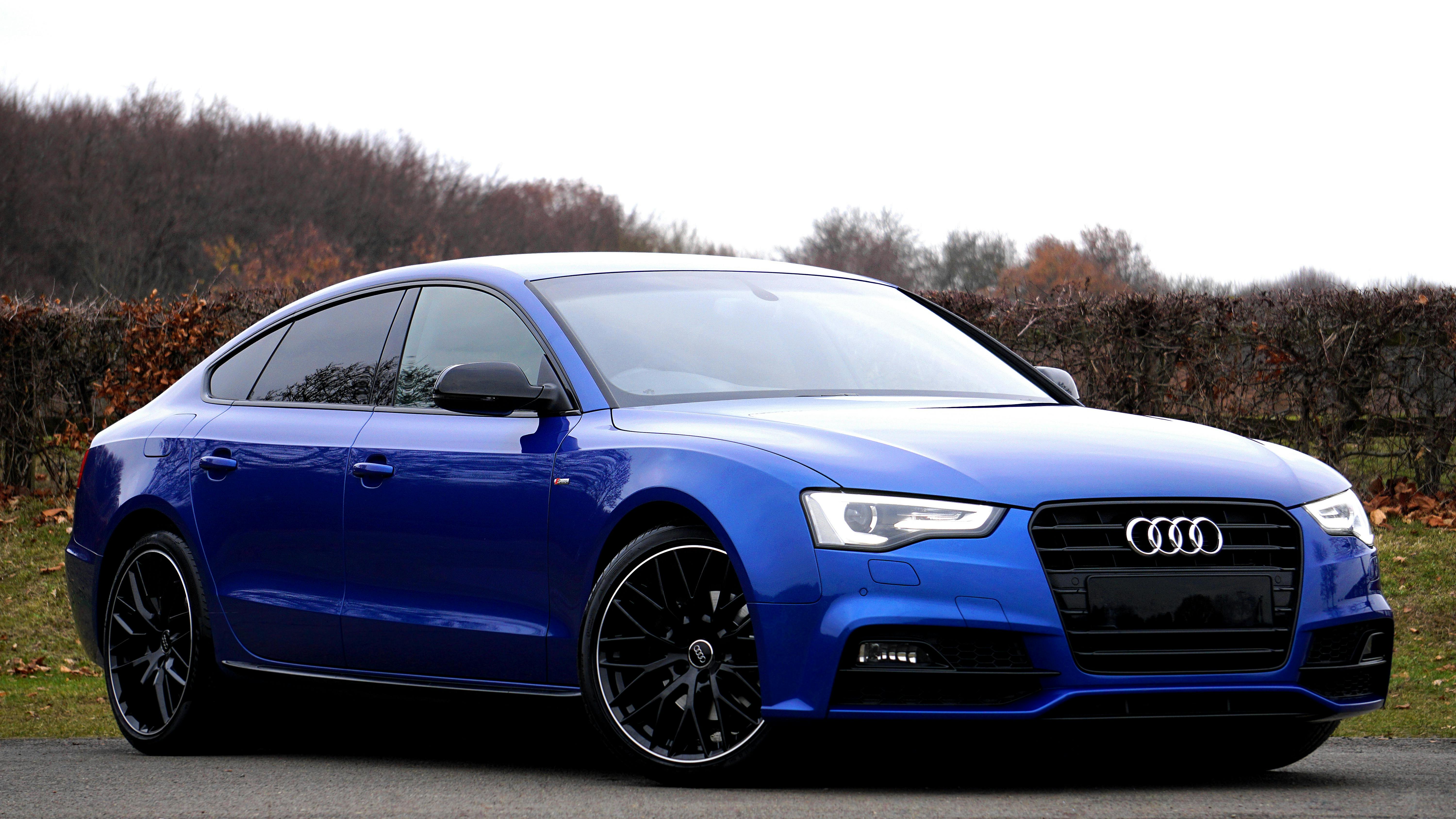
Ever cranked up your favorite driving anthem only to be met with a soundscape that felt…flat? You’re not alone. Many a road trip has been hampered by weak bass, turning what should be an epic experience into a sonic disappointment. The stock audio systems in many cars, while adequate, often lack the punch needed to truly feel the music. That’s where the magic of a subwoofer comes in – transforming your car into a rolling concert hall.
For generations, drivers have obsessed over the perfect sound. Think back to the early days of car radios, when finding a strong signal felt like striking gold. Today, we have instant access to nearly limitless music, but the importance of a quality sound system hasn't diminished. A well-tuned audio system, especially one enhanced with a subwoofer, not only elevates your listening experience but also deepens your connection to the drive itself. It’s about feeling the rhythm of the road as much as hearing it.
Before you even think about wiring diagrams and impedance matching, grab a notepad. Listen to your current system. What’s missing? Is it just low-end oomph, or is the overall sound muddy? Identifying the problem is the first step in finding the perfect subwoofer solution. This will guide your size, power, and type selection.
Car Audio Subwoofers: Buying Guide for Beginners
Choosing the right subwoofer can seem daunting. There's a vast range of options, from compact under-seat models to behemoth trunk-rattlers. But fear not! This guide will break down the essentials, empowering you to make an informed decision and transform your in-car audio. We'll cover everything from understanding subwoofer types and sizes to deciphering power ratings and installation considerations. Get ready to feel the bass!
Understanding Subwoofer Basics
At its core, a subwoofer is a specialized loudspeaker designed to reproduce low-frequency sounds, typically ranging from 20 to 200 Hz. These are the frequencies that give music its depth, impact, and visceral feel. Think of the deep rumble of a kick drum, the thumping bassline in your favorite hip-hop track, or the earth-shaking roar of an explosion in an action movie. Without a subwoofer, these sounds are often weak or completely absent, leaving your music sounding thin and lifeless.
Subwoofers achieve this by moving a large cone, or diaphragm, to create sound waves. The size of the cone, the power of the amplifier driving it, and the enclosure it's housed in all contribute to the subwoofer's overall performance. Different subwoofer designs excel in different areas, so understanding these nuances is crucial for selecting the right one for your needs.
What are the different types of subwoofers?
The world of subwoofers can be categorized in several ways, but the most common distinction is based on their enclosure type: Sealed Enclosures: These are the simplest and most common type. They offer accurate and controlled bass, making them ideal for a wide range of music genres. They are also relatively compact and easy to install. Ported (Vented) Enclosures: These enclosures feature a port or vent that allows air to escape, boosting the subwoofer's output at specific frequencies. This results in louder and deeper bass, but can sometimes sacrifice accuracy and transient response. They are often larger than sealed enclosures. Bandpass Enclosures: These are more complex designs that filter out certain frequencies, resulting in a very narrow and focused bass response. They are often used for SPL (Sound Pressure Level) competitions where sheer loudness is the primary goal. Infinite Baffle (Free-Air): These subwoofers are mounted directly to a flat surface, such as the rear deck of a car, without an enclosure. They require a large and rigid mounting surface to prevent sound cancellation. While space-saving, they can be difficult to tune properly. Powered Subwoofers (Self-Contained): These units combine a subwoofer, amplifier, and enclosure into a single, pre-packaged unit. They are often compact and easy to install, making them a popular choice for beginners. They come in both sealed and ported designs. Component Subwoofers: These are just the raw subwoofer driver itself. They require you to purchase or build a separate enclosure and amplifier. This allows for maximum customization but requires more technical knowledge.
Beyond enclosure types, subwoofers are also differentiated by their size (diameter of the cone), impedance (electrical resistance), and power handling (how much power they can safely handle). We'll delve into these factors in more detail later.
Key Considerations When Choosing a Subwoofer
Selecting the right subwoofer involves carefully considering several factors to ensure it meets your needs and integrates seamlessly into your vehicle.
Available Space: This is often the limiting factor. Measure the available space in your trunk, under the seats, or wherever you plan to install the subwoofer. Consider the dimensions of the enclosure as well as the subwoofer itself. Music Preferences: Different genres of music require different types of bass response. If you primarily listen to classical or jazz, a sealed enclosure might be a better choice for its accuracy. If you prefer hip-hop or electronic music, a ported enclosure might be more suitable for its added punch. Power Handling: Match the subwoofer's power handling to the amplifier's output. The RMS (Root Mean Square) power rating is the most important number to consider. Make sure the amplifier's RMS output is within the subwoofer's RMS power handling range. Impedance: Subwoofers are typically available in 2-ohm, 4-ohm, and 8-ohm configurations. The impedance affects how the subwoofer interacts with the amplifier. Choose an impedance that is compatible with your amplifier. Most car amplifiers are designed to work with 2-ohm or 4-ohm loads. Sensitivity: Sensitivity measures how efficiently the subwoofer converts power into sound. A higher sensitivity rating means the subwoofer will produce more sound with the same amount of power. This is particularly important if you have a low-powered amplifier. Enclosure Type: As discussed earlier, the enclosure type significantly affects the subwoofer's sound characteristics. Choose an enclosure type that aligns with your music preferences and available space. Budget:Subwoofers range in price from a few dollars to several hundreds or even thousands of dollars. Set a budget before you start shopping and stick to it. Remember that you will also need to factor in the cost of an amplifier, enclosure (if buying a component subwoofer), and installation.
By carefully considering these factors, you can narrow down your choices and select a subwoofer that will provide the best possible listening experience in your vehicle.
How important is subwoofer size?
Subwoofer size, typically measured by the diameter of the cone in inches, plays a significant role in its performance. Larger subwoofers (12-inch, 15-inch) generally have the ability to move more air, resulting in deeper and louder bass. However, they also require more power and space. Smaller subwoofers (8-inch, 10-inch) are more compact and efficient, making them suitable for smaller vehicles or applications where space is limited. Here's a general guideline: 8-inch Subwoofers: Ideal for adding a subtle bass enhancement to your system without taking up much space. Good for tight, accurate bass in smaller vehicles. 10-inch Subwoofers: A good balance of size and performance. Suitable for most vehicles and music genres. Provides a noticeable improvement in bass response. 12-inch Subwoofers: A popular choice for those seeking a more powerful and impactful bass experience. Requires more space and power than smaller subwoofers. 15-inch Subwoofers: Designed for maximum bass output. Requires a large enclosure and a powerful amplifier. Typically used in SPL competition vehicles or for those who want to feel the bass as much as hear it.
Ultimately, the best subwoofer size depends on your individual needs and preferences. Consider the available space, your listening habits, and the overall sound quality you're aiming for.
Power Ratings and Impedance Explained
Understanding power ratings and impedance is crucial for ensuring that your subwoofer and amplifier work together harmoniously and avoid damage to either component.
Power Ratings
RMS (Root Mean Square): This is the most important power rating to consider. It represents the continuous power that the subwoofer can handle safely over an extended period of time. Match the amplifier's RMS output to the subwoofer's RMS power handling range. It’s often best to have a slightly more powerful amplifier than the subwoofer's RMS rating, this allows for headroom and avoids clipping. Peak Power: This is the maximum power that the subwoofer can handle for a very short burst of time. It's a less reliable indicator of overall performance than the RMS rating. Don't rely on peak power when matching an amplifier to a subwoofer.
Impedance
Impedance is a measure of the electrical resistance of the subwoofer, expressed in ohms (Ω). Subwoofers are typically available in 2-ohm, 4-ohm, and 8-ohm configurations. The impedance affects how the subwoofer interacts with the amplifier.
Lower Impedance (e.g., 2 ohms): Allows the amplifier to deliver more power to the subwoofer, resulting in louder bass. However, it can also put more strain on the amplifier, potentially leading to overheating or damage if the amplifier is not designed to handle low impedance loads. Higher Impedance (e.g., 4 ohms or 8 ohms): Requires less power from the amplifier but also produces less bass. Safer for amplifiers that are not designed to handle low impedance loads.
When choosing a subwoofer, make sure its impedance is compatible with your amplifier. Most car amplifiers are designed to work with 2-ohm or 4-ohm loads. Consult your amplifier's manual to determine its optimal impedance range. Wiring multiple subwoofers together can also change the overall impedance seen by the amplifier, so it's important to understand how to wire subwoofers in series and parallel to achieve the desired impedance.
What is the difference between single voice coil and dual voice coil subwoofers?
Voice coils are the wire windings that drive the subwoofer cone. A single voice coil (SVC) subwoofer has one set of windings, while a dual voice coil (DVC) subwoofer has two independent sets of windings. DVC subwoofers offer more wiring flexibility, allowing you to configure the subwoofer's impedance in different ways to match the amplifier's output.
SVC Subwoofers: Simpler to wire and less expensive than DVC subwoofers. DVC Subwoofers: Offer more wiring options. For example, a DVC 4-ohm subwoofer can be wired in series to present an 8-ohm load or in parallel to present a 2-ohm load. This allows you to optimize the impedance for your amplifier.
The choice between SVC and DVC depends on your specific needs and wiring configuration. If you only need a single impedance option, an SVC subwoofer might be sufficient. If you want more flexibility, a DVC subwoofer is a better choice.
Installation Considerations
Installing a subwoofer can range from a simple plug-and-play operation with a powered subwoofer to a more complex project involving wiring, enclosure building, and custom fabrication.
Powered Subwoofer Installation: These units are relatively easy to install. They typically require a power connection to the car's battery, a ground connection, and a signal input from the head unit or amplifier. Some powered subwoofers can also accept high-level inputs directly from the car's speaker wires. Component Subwoofer Installation: This is a more involved process. You will need to build or purchase an enclosure, wire the subwoofer to the amplifier, and connect the amplifier to the car's power and signal sources. This requires more technical knowledge and tools.
Regardless of the type of subwoofer you choose, it's important to follow these general installation guidelines: Safety First: Disconnect the car's battery before starting any electrical work. Wear safety glasses and gloves. Use Quality Wiring: Use high-quality speaker wire and power cables to ensure optimal performance and prevent electrical problems. Proper Grounding: Ensure a solid ground connection to the car's chassis. A poor ground connection can cause noise and distortion. Fuse Protection: Use a fuse on the power wire to protect the system from overcurrent. Secure Mounting: Securely mount the subwoofer enclosure to prevent it from moving around while driving. Professional Installation: If you're not comfortable with any aspect of the installation process, consider hiring a professional installer.
Taking the time to install your subwoofer properly will ensure that it performs optimally and provides years of enjoyment.
Can I install a subwoofer myself?
The answer depends on your technical skills, available tools, and comfort level. Installing a powered subwoofer is generally a straightforward process that most DIYers can handle. However, installing a component subwoofer requires more technical knowledge and may be best left to a professional. If you're unsure about any aspect of the installation process, it's always best to seek professional help. Improper installation can damage your subwoofer, amplifier, or even your car's electrical system.
Final Thoughts
Choosing the right car audio subwoofer is an investment in your driving pleasure. It's about more than just adding bass; it's about enhancing the entire sonic experience, making every journey more engaging and enjoyable. By understanding the basics of subwoofer design, considering your specific needs, and taking the time to install it properly, you can transform your car into a rolling concert hall. So, crank up the volume, feel the bass, and rediscover the joy of driving!
Posting Komentar untuk "car audio subwoofers: Buying Guide for Beginners"