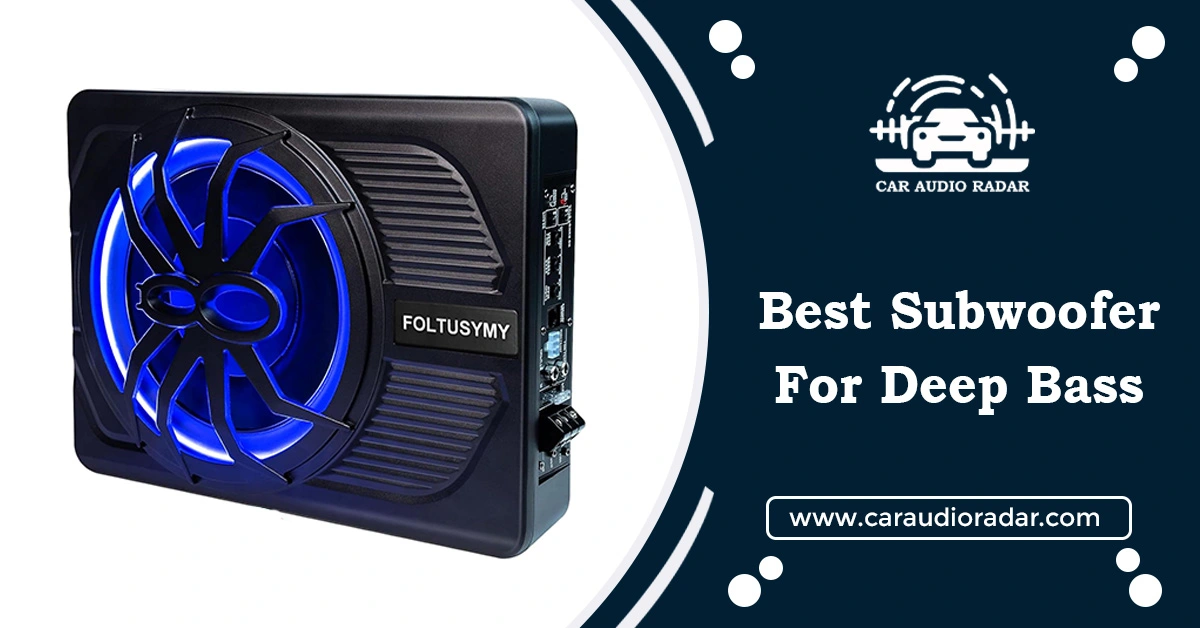
Imagine cruising down the Pacific Coast Highway, windows down, the salt air whipping through your hair. The engine's subtle growl is a symphony in itself, but sometimes, you need that extra sonic punch, that deep, resonating bass that transforms a pleasant drive into an exhilarating experience. That’s where a well-chosen subwoofer comes in, turning your car into a mobile concert hall.
For years, car manufacturers have strived to create ever-improving sound systems, but the truth is, even the premium factory setups often lack the low-end depth that truly brings music to life. A dedicated subwoofer, properly integrated, can fill that sonic void, adding a layer of richness and impact you never knew you were missing. It's about more than just loud bass; it's about experiencing music the way the artist intended.
One crucial tip? Don't underestimate the importance of professional installation. A top-of-the-line subwoofer installed poorly will always sound worse than a mid-range sub installed correctly. Proper wiring, enclosure design, and tuning are essential to unlocking the full potential of your system.
Choosing the Best Car Audio Subwoofer for Deep Bass
The world of car audio subwoofers can seem daunting, filled with technical specifications and confusing terminology. But fear not! This guide will break down the essentials, helping you choose the perfect subwoofer to deliver the deep, impactful bass you crave. We'll cover everything from size and power handling to enclosure types and placement options.
Understanding Subwoofer Basics
Before diving into specific models, let's establish a solid understanding of the fundamental concepts. A subwoofer, unlike your car's regular speakers, is specifically designed to reproduce low-frequency sounds, typically below 200 Hz. These are the sounds that you feel as much as you hear – the deep rumble of a bass drum, the throbbing pulse of an electronic beat, or the earth-shaking roar of a movie soundtrack.
Key specifications to consider include: Size: Subwoofers are measured by their diameter in inches, typically ranging from 8 inches to 15 inches or even larger. Larger subwoofers generally have the potential to produce deeper and louder bass, but they also require more power and space. Power Handling (RMS): This indicates the amount of continuous power the subwoofer can handle without damage. It's crucial to match the subwoofer's power handling to the amplifier's output for optimal performance and longevity. Frequency Response: This specifies the range of frequencies the subwoofer can reproduce. A lower frequency response number indicates the subwoofer's ability to play deeper bass. Impedance (Ohms): This is the electrical resistance of the subwoofer, typically 2 ohms or 4 ohms. The amplifier must be compatible with the subwoofer's impedance. Sensitivity (d B):This measures how efficiently the subwoofer converts power into sound. A higher sensitivity rating means the subwoofer will produce more sound with less power.
Enclosure Types: Sealed, Ported, and Bandpass
The enclosure is just as important as the subwoofer itself. The enclosure design significantly impacts the subwoofer's sound quality, efficiency, and overall performance.
Sealed Enclosures: These are the simplest type of enclosure, offering accurate and controlled bass. They are ideal for music genres that require tight and precise bass, such as rock and jazz. Sealed enclosures generally require less space than other types. Ported Enclosures (Vented): These enclosures feature a vent or port that allows air to escape, increasing efficiency and output at specific frequencies. Ported enclosures are known for their louder and deeper bass response, making them a popular choice for hip-hop, electronic music, and other bass-heavy genres. They generally require more space and precise tuning for optimal performance. Bandpass Enclosures:These are more complex enclosures that use two chambers – one sealed and one ported. Bandpass enclosures are designed to produce a very narrow range of frequencies, resulting in extremely loud bass within that range. However, they can sound unnatural and lack accuracy if not properly designed.
Choosing the Right Size and Power for Your Needs
Selecting the right size and power for your subwoofer depends on several factors, including the size of your vehicle, your listening preferences, and the capabilities of your existing car audio system.
Small Cars (e.g., Hatchbacks, Sedans): An 8-inch or 10-inch subwoofer with 150-300 watts RMS is often sufficient to add noticeable bass enhancement without overwhelming the cabin. Sealed enclosures are a good choice for smaller vehicles due to their compact size and accurate sound. Mid-Size Cars (e.g., Sedans, SUVs): A 10-inch or 12-inch subwoofer with 250-500 watts RMS can provide a more substantial bass response. Both sealed and ported enclosures can work well, depending on your preference for accuracy versus loudness. Large Cars (e.g., SUVs, Trucks):A 12-inch or 15-inch subwoofer with 500+ watts RMS may be necessary to fill the larger cabin with deep, impactful bass. Ported enclosures are often preferred in larger vehicles to maximize output.
Remember to always match the subwoofer's power handling to the amplifier's output. Using an amplifier that is too powerful can damage the subwoofer, while an underpowered amplifier will result in weak and distorted bass. It's better to slightly overpower than underpower a subwoofer because sending a clipped signal from an underpowered amp is a surefire way to destroy the speaker.
Subwoofer Placement and Tuning for Optimal Sound
Subwoofer placement is crucial for achieving the best possible sound quality. Experiment with different locations within your vehicle to find the sweet spot where the bass is most balanced and impactful. Common locations include the trunk, under the seats, or in a custom enclosure.
Trunk Placement: This is the most common location for subwoofers. Experiment with facing the subwoofer towards the rear of the vehicle, towards the front seats, or upwards to see which position produces the best results. Under-Seat Placement: Compact subwoofers designed for under-seat mounting are available for vehicles with limited space. These subwoofers typically offer less output than larger subwoofers, but they can still provide a noticeable bass enhancement. Custom Enclosures:Custom enclosures can be designed to fit specific vehicles and optimize subwoofer performance. These enclosures can be more expensive than pre-fabricated enclosures, but they can provide the best possible sound quality and integration.
Once you've installed the subwoofer, proper tuning is essential to fine-tune the sound and ensure optimal performance. This involves adjusting the gain, crossover frequency, and equalization settings on your amplifier or head unit. Consulting a professional car audio installer is highly recommended for proper tuning.
Budget Considerations
Subwoofers range greatly in price, and setting a budget beforehand is crucial. You’ll also need to factor in the cost of an amplifier, wiring, and potentially a new head unit. Remember that quality sound is an investment, and it's often better to spend a bit more on a higher-quality subwoofer that will last longer and sound better than a cheaper, less reliable option.
FAQ: Subwoofer Edition
What size subwoofer is best for my car?
The ideal subwoofer size depends on your vehicle size, listening preferences, and available space. An 8-inch or 10-inch subwoofer is often sufficient for smaller cars, while larger vehicles may benefit from a 12-inch or 15-inch subwoofer. Consider your musical taste and the amount of bass you desire when making your decision. If you want subtle fill and response, go smaller. For rattling windows, go larger.
Should I choose a sealed or ported enclosure?
Sealed enclosures offer accurate and controlled bass, making them ideal for music genres like rock and jazz. Ported enclosures provide louder and deeper bass, making them a good choice for hip-hop and electronic music. Choose the enclosure type that best suits your listening preferences.
Can I install a subwoofer myself, or should I hire a professional?
While it is possible to install a subwoofer yourself, it's generally recommended to hire a professional car audio installer, especially if you're not comfortable with wiring and tuning. A professional installer can ensure that the subwoofer is properly installed and tuned for optimal performance. The last thing you want is to damage your vehicle's electrical system or the subwoofer itself.
Choosing the right car audio subwoofer is a journey of discovery, a quest to unlock the full potential of your music and elevate your driving experience. It's about finding the perfect balance between power, accuracy, and personal preference. So, take the time to research, experiment, and listen, and you'll be rewarded with a sound system that transforms every drive into a sonic adventure. Imagine the thrum of the bass perfectly complementing the roar of the engine as you carve through winding roads – it's an experience that truly embodies the spirit of driving.
Posting Komentar untuk "car audio subs: Choosing the Best for Deep Bass"