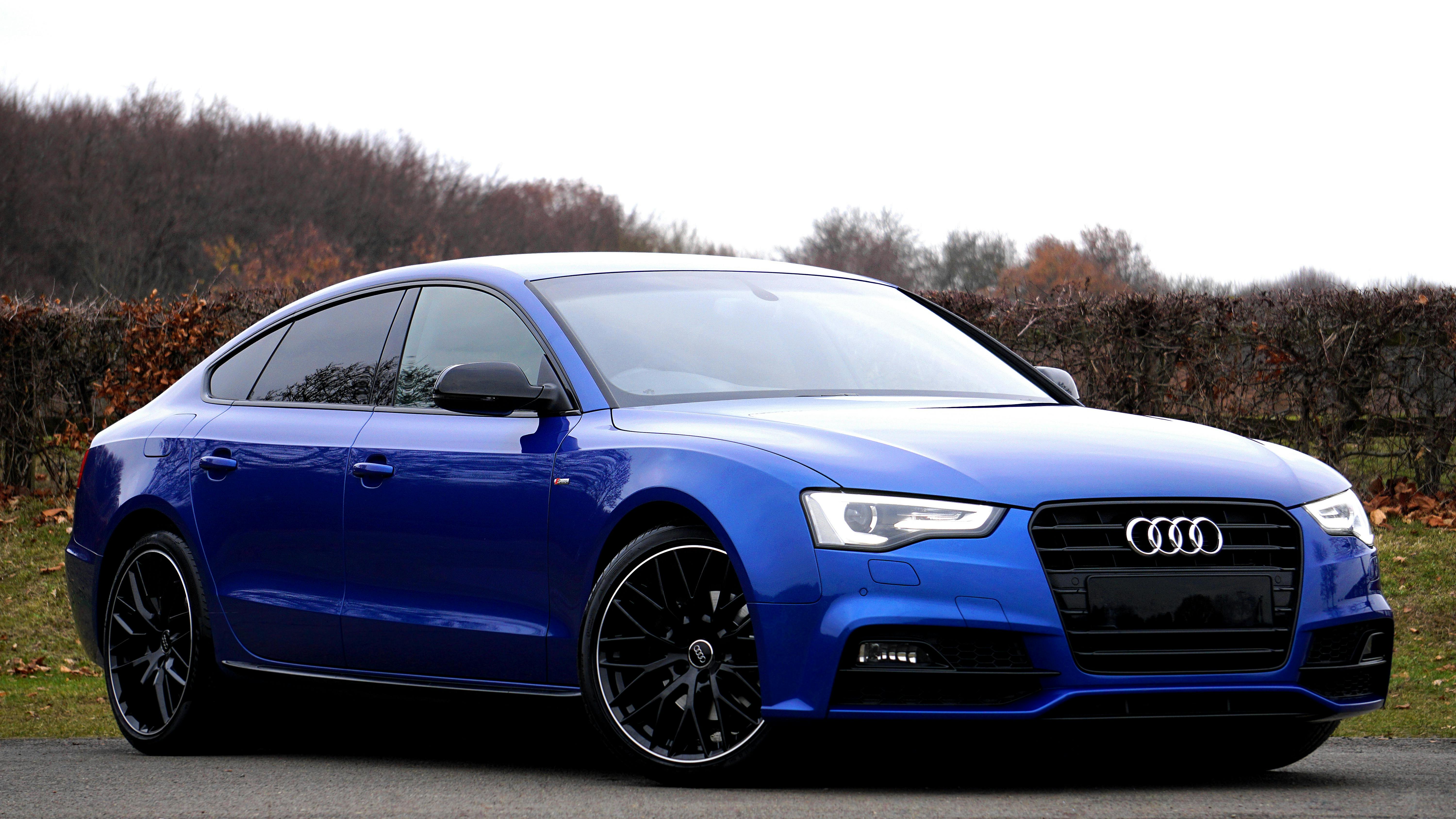
The rumble of a perfectly tuned exhaust, the responsive surge of the engine – these are the sensations that define the driving experience, especially when piloting a finely crafted machine like an Audi. But what if that symphony of mechanical excellence could be enhanced, elevated, complemented by an equally impressive sound system? The factory-installed audio in many cars, even luxury models, often leaves audiophiles wanting more. So, let's delve into the world of car audio installations and learn how to install like a pro.
The allure of an Audi lies in its meticulous engineering and refined driving dynamics. From the legendary quattro all-wheel-drive system to the sophisticated interiors, these vehicles are designed to stimulate the senses. But sometimes, the auditory experience falls short. Replacing or upgrading your car audio can dramatically transform your time behind the wheel, turning mundane commutes into immersive sonic journeys. We’re not just talking about louder music; we're talking about clarity, depth, and a truly personalized soundscape tailored to your tastes.
Before diving in, remember the golden rule: research and planning are paramount. Don't rush into buying the flashiest speakers or the most powerful amplifier. Instead, take the time to understand your existing system, identify its weaknesses, and define your goals. Is it deeper bass you crave? Are you aiming for crystal-clear highs and balanced mids? Answering these questions will guide your component selection and ensure a satisfying result.
Choosing the Right Components
Selecting the correct components is the crucial first step towards achieving pro-level audio. This isn't about blindly buying the most expensive gear; it's about finding equipment that complements your vehicle and your musical preferences.
Speakers: The Voice of Your System
The speakers are arguably the most important part of any audio system. They’re responsible for converting electrical signals into the sound you hear, and their quality directly impacts clarity, detail, and overall listening pleasure.
Component Speakers: These consist of separate tweeters and woofers, allowing for optimal placement and sound staging. Tweeters are usually mounted higher in the door or on the dash to improve imaging, while woofers handle the mid-range and bass frequencies. These typically offer superior sound quality compared to coaxial speakers. Coaxial Speakers: Also known as full-range speakers, these integrate the tweeter and woofer into a single unit. They are easier to install and are a good option for replacing factory speakers without extensive modifications. However, their sound quality may not be as refined as component speakers. Subwoofers:For those craving deep, resonant bass, a subwoofer is essential. These specialized speakers are designed to reproduce the lowest frequencies, adding depth and impact to your music. Subwoofers come in various sizes and configurations, from compact under-seat models to large, enclosure-mounted behemoths.
When selecting speakers, consider the power handling, frequency response, and sensitivity. Power handling indicates how much power the speaker can handle without distortion, while frequency response describes the range of frequencies the speaker can reproduce. Sensitivity measures how efficiently the speaker converts power into sound, with higher sensitivity ratings resulting in louder output at a given power level.
Amplifiers: Powering Your Sound
An amplifier provides the necessary power to drive your speakers. Factory head units often have limited power output, resulting in weak and distorted sound, especially at higher volumes. An aftermarket amplifier can significantly improve the clarity and dynamic range of your audio system.
Multi-Channel Amplifiers: These amplifiers have multiple channels, allowing you to power multiple speakers with a single unit. A four-channel amplifier, for example, can power two front speakers and two rear speakers. Mono Amplifiers: These amplifiers are designed specifically for powering subwoofers. They deliver high power output at low impedances, making them ideal for driving bass-heavy frequencies. Class D Amplifiers:Known for their efficiency, Class D amplifiers consume less power and generate less heat than traditional Class A/B amplifiers. They are a popular choice for car audio systems due to their compact size and energy-saving capabilities.
Matching the amplifier's power output to the speakers' power handling is crucial. Overpowering speakers can lead to damage, while underpowering them can result in weak and distorted sound. A good rule of thumb is to choose an amplifier with a power output that's slightly higher than the speakers' RMS power handling rating.
Head Units: The Brain of the Operation
While you might not always need to replace your factory head unit, upgrading it can significantly enhance your audio system's functionality and sound quality. Aftermarket head units often offer features like Bluetooth connectivity, Apple Car Play, Android Auto, and advanced sound processing capabilities.
Single-DIN Head Units: These are the standard size for head units and fit in most vehicles. They typically offer basic features and a smaller display. Double-DIN Head Units: These are twice the size of single-DIN head units and usually feature a larger touchscreen display. They offer more advanced features and connectivity options.
When choosing a head unit, consider its features, connectivity options, and sound processing capabilities. Look for a head unit with pre-amp outputs if you plan to add an amplifier to your system. Also, consider a head unit with time alignment and equalization features to fine-tune the sound to your liking.
Installation: The Devil is in the Details
Proper installation is just as important as selecting the right components. A poorly installed system can sound worse than the factory setup, even with high-end equipment.
Preparation is Key
Before you start, gather all the necessary tools and materials. This includes: Wire Strippers and Crimpers: For cutting and connecting wires. Multimeter: For testing voltage and continuity. Screwdrivers and Sockets: For removing and installing panels and components. Wiring Harness Adapter: For connecting the aftermarket head unit to the factory wiring. Speaker Wire: For connecting speakers to the amplifier. RCA Cables: For connecting the head unit to the amplifier. Power Wire: For connecting the amplifier to the battery. Ground Wire: For grounding the amplifier to the chassis. Fuse Holder and Fuse: For protecting the amplifier from overcurrent. Heat Shrink Tubing: For insulating wire connections. Electrical Tape: For wrapping wires and preventing shorts. Sound Deadening Material: For reducing vibrations and improving sound quality.
Disconnect the negative terminal of the battery before starting any electrical work. This will prevent accidental shorts and potential damage to your vehicle's electrical system.
Wiring: The Lifeline of Your System
Proper wiring is essential for a reliable and high-performing audio system. Use high-quality wire and make secure connections.
Power Wire: Run the power wire from the battery to the amplifier. Use a fuse holder close to the battery to protect the amplifier from overcurrent. Make sure the power wire is properly insulated and routed away from sharp edges and hot components. Ground Wire: Ground the amplifier to a clean, bare metal surface on the chassis. Make sure the ground connection is secure and free from corrosion. A poor ground connection can cause noise and distortion. Speaker Wire: Connect the speaker wire from the amplifier to the speakers. Use the correct polarity (positive to positive, negative to negative) to avoid phase cancellation. RCA Cables: Connect the RCA cables from the head unit to the amplifier. Use shielded RCA cables to minimize noise and interference.
Speaker Installation: Fine-Tune Acoustics
Installing speakers correctly is crucial for optimal sound quality.
Remove the Factory Speakers: Carefully remove the factory speakers, taking note of their wiring connections. Install the New Speakers: Install the new speakers using the appropriate mounting hardware. Use speaker adapters if necessary to ensure a proper fit. Connect the Speaker Wire:Connect the speaker wire from the amplifier to the speakers, ensuring the correct polarity.
Sound Deadening: Enhance Your Sound
Applying sound deadening material to the doors, floor, and trunk can significantly reduce vibrations and improve sound quality. Sound deadening material absorbs vibrations and reduces road noise, allowing you to hear your music more clearly.
Tuning: The Final Touch
Once you've installed all the components, it's time to tune the system for optimal sound quality.
Set the Gain: Adjust the gain on the amplifier to match the output of the head unit. Start with the gain at its lowest setting and gradually increase it until you hear distortion. Then, back off the gain slightly. Adjust the Crossover: Set the crossover frequencies to direct the appropriate frequencies to the speakers and subwoofer. For example, you might set a high-pass filter on the front speakers to block low frequencies and a low-pass filter on the subwoofer to block high frequencies. Use an Equalizer:Use an equalizer to fine-tune the frequency response and compensate for any imperfections in the system. Experiment with different EQ settings to find the sound that you like best.
Frequently Asked Questions
How much does it cost to install a car audio system?
The cost of installing a car audio system can vary widely depending on the components you choose and whether you hire a professional installer. A basic system with new speakers and a head unit can cost a few hundred dollars, while a high-end system with multiple amplifiers and subwoofers can cost several thousand dollars. Professional installation typically adds several hundred dollars to the total cost.
Can I install a car audio system myself?
Yes, you can install a car audio system yourself if you have the necessary tools, skills, and knowledge. However, it's important to be comfortable working with electrical wiring and following instructions carefully. If you're not confident in your abilities, it's best to hire a professional installer.
What are some common mistakes to avoid when installing a car audio system?
Some common mistakes to avoid include:
Using the wrong size wire.
Making poor connections.
Failing to ground the amplifier properly.
Overpowering the speakers.
Setting the gain too high.
Taking your time, researching thoroughly, and seeking help when needed can prevent these errors.
Upgrading your car audio system is an investment in your driving enjoyment. By choosing the right components and installing them correctly, you can transform your time behind the wheel into a concert-like experience. Think of the crisp highs, the punchy mid-range, and the earth-shattering bass – all meticulously crafted to elevate your favorite tunes. Isn't that precisely what an Audi, a machine celebrated for its precision and performance, deserves? Embrace the challenge, unlock the sonic potential of your vehicle, and embark on a journey of auditory bliss.
Posting Komentar untuk "car audio installations: How to Install Like a Pro"