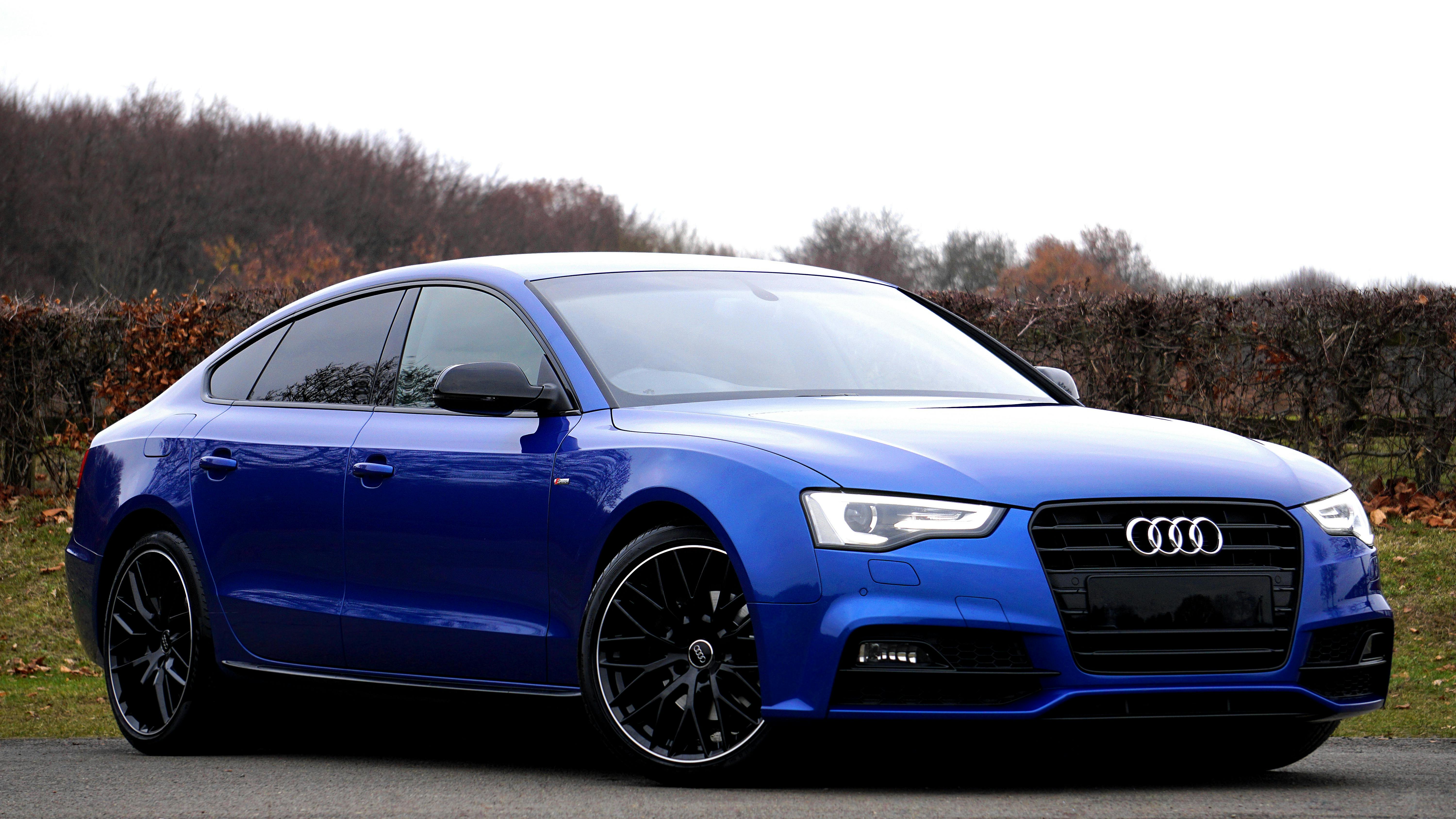
Remember the first time you reallyfeltthe music in your car? Maybe it was a booming bassline that vibrated the seats, or the crystal-clear vocals that made you feel like the artist was right there in the passenger seat. For many of us, that experience sparked a lifelong pursuit of sonic perfection on the road. But achieving that level of audio bliss often requires upgrading the factory sound system. That's where the right car audio installation kit comes in.
Let’s face it, the factory-installed audio systems in even some of today's premium vehicles often leave much to be desired. They're usually built to a price point, with compromises made on speaker quality, amplifier power, and overall sound processing. For audiophiles and music lovers who spend significant time behind the wheel, upgrading the sound system is a must. The good news? You don't need to be a seasoned technician to achieve a significant improvement. With the right kit and a little patience, you can dramatically enhance your in-car audio experience.
Before you even think about speakers or amplifiers, consider this: proper sound deadening is crucial. Applying sound-dampening material to your doors and other areas will significantly reduce road noise and improve the overall clarity of your audio. This is often overlooked, but it makes a world of difference.
Car Audio Installation Kit: Everything You Need to Get Started
Upgrading your car's audio system can seem daunting, but the good news is that modern car audio installation kits have made the process more accessible than ever before. These kits provide a convenient and cost-effective way to replace or enhance your factory-installed system without having to source individual components. But with so many options on the market, knowing where to start can be overwhelming. Let’s break down what you need to know.
First, let's talk about what a typical car audio installation kit actuallyincludes. These packages typically contain the essential components needed to install a new head unit (the main control panel), speakers, or even an amplifier. The contents can vary depending on the specific kit and its intended purpose, but you can generally expect to find some or all of the following: Wiring Harness: This adapter allows you to connect the new head unit to your car's existing wiring without cutting or splicing any wires. This is crucial for maintaining the integrity of your car's electrical system and avoiding potential problems. Mounting Brackets/Dash Kit: These provide a secure and aesthetically pleasing way to install the new head unit in your car's dashboard. They ensure a flush and professional look, as well as proper support for the unit. Speaker Adapters: If you're replacing your car's speakers, these adapters will help you mount the new speakers in the existing speaker locations. They are designed to match the specific size and shape of your car's speaker openings. Amplifier Wiring Kit: If you're adding an amplifier to your system, this kit will provide the necessary power and signal cables to connect the amplifier to your head unit and speakers. It typically includes power wire, ground wire, remote turn-on wire, RCA cables, and speaker wire. Installation Instructions:A detailed set of instructions will guide you through the installation process, step by step. These instructions are usually specific to the type of kit and the car model it's designed for.
Choosing the right kit is critical for a smooth and successful installation. Here’s what to consider: Compatibility: The most crucial factor is ensuring that the kit is compatible with your specific car make, model, and year. Most reputable manufacturers will provide compatibility information, either online or on the packaging. Double-check this information before purchasing. Components: Think aboutwhatyou want to upgrade. Are you just replacing the head unit, or are you also upgrading the speakers and adding an amplifier? Choose a kit that includes the necessary components for your desired upgrade. Quality: Not all kits are created equal. Look for kits from reputable brands that use high-quality materials and components. Cheap kits may save you money upfront, but they can lead to problems down the road. Budget: Car audio installation kits range in price from relatively inexpensive to quite expensive. Set a budget before you start shopping and stick to it. Keep in mind that you may also need to factor in the cost of any additional tools or accessories that you might need. Ease of Installation:Some kits are designed for easy, plug-and-play installation, while others require more advanced skills and knowledge. Consider your own skill level and choose a kit that you feel comfortable installing. If you're unsure, it's always best to consult with a professional installer.
Frequently Asked Questions About Car Audio Installation Kits
What tools will I need to install a car audio kit?
The specific tools you'll need will depend on the kit you're installing and the car you're working on. However, some common tools that are often required include: Screwdrivers: Both Phillips head and flathead screwdrivers in various sizes. Wire Strippers/Crimpers: For stripping and crimping wires when making connections. Wire Cutters: For cutting wires to the desired length. Pliers: For gripping and manipulating wires and connectors. Socket Set: For removing and installing screws and bolts. Panel Removal Tool: For safely removing interior panels without damaging them. Multimeter: For testing electrical connections and ensuring proper voltage. Electrical Tape: For insulating and protecting electrical connections. Soldering Iron (Optional):For making permanent and reliable wire connections.
How difficult is it to install a car audio kit myself?
The difficulty of installing a car audio kit depends on several factors, including your experience with car audio systems, the complexity of the kit, and the specific car you're working on. Some kits are designed for easy, plug-and-play installation and can be completed by someone with basic mechanical skills. Other kits require more advanced skills and knowledge and may be best left to a professional installer.
If you're unsure about your ability to install a car audio kit, it's always best to consult with a professional. They can assess your needs, recommend the right kit for your car, and ensure that it's installed correctly and safely.
Can I use a universal car audio installation kit for any car?
While some car audio installation kits are marketed as "universal," it's important to understand that they may not be compatible with all vehicles. Universal kits typically include a variety of adapters and connectors to fit a wide range of cars, but they may not be a perfect fit for every application.
To ensure compatibility, it's always best to choose a kit that is specifically designed for your car make, model, and year. This will ensure that the kit includes the necessary adapters and connectors to fit your car's wiring and mounting locations.
Choosing the Right Speakers for Your Kit
Beyond the basic wiring and adapters, the speakers themselves are, of course, paramount. Don't skimp here. Consider the following: Component vs. Coaxial: Component speakers separate the tweeter (high frequencies) and woofer (low/mid frequencies) for better sound staging and clarity. Coaxial speakers combine both in a single unit, making them easier to install but often sacrificing some sound quality. Size: Speaker size is dictated by your car's factory openings. Use speaker adapters if necessary to fit aftermarket speakers. Common sizes include 6.5", 6x9", and
5.25". Power Handling: Match the power handling of your speakers to your amplifier. Overpowering speakers can damage them, while underpowering them can result in distorted sound. Sensitivity: Sensitivity measures how efficiently a speaker converts power into sound. Higher sensitivity speakers require less power to produce a given volume level.
When selecting speakers, read reviews and listen to them if possible. Sound is subjective, so what sounds great to one person may not sound great to another.
Amplifiers: Powering Your Sound
An amplifier provides the necessary power to drive your speakers and produce a clear, distortion-free sound. Here’s what to keep in mind: Number of Channels: The number of channels on your amplifier should match the number of speakers you want to power. A four-channel amplifier can power four speakers, while a five-channel amplifier can power four speakers and a subwoofer. Power Output: The power output of your amplifier should be matched to the power handling of your speakers. As mentioned earlier, avoid overpowering or underpowering your speakers. Class: Amplifiers are classified by their operating class (e.g., Class A, Class AB, Class D). Class D amplifiers are generally more efficient and produce less heat, making them a good choice for car audio applications. Features: Look for features such as adjustable crossovers, bass boost, and gain control. These features allow you to fine-tune the sound to your liking.
Subwoofers: Adding Bass
A subwoofer is a specialized speaker that is designed to reproduce low-frequency sounds (bass). Adding a subwoofer to your car audio system can significantly enhance the overall listening experience, adding depth and impact to your music.
Size: Subwoofers come in a variety of sizes, typically ranging from 8" to 15". The size of the subwoofer will affect its ability to reproduce low frequencies. Larger subwoofers generally produce deeper and louder bass. Enclosure Type: Subwoofers can be installed in a variety of enclosure types, including sealed, ported, and bandpass enclosures. Each enclosure type has its own advantages and disadvantages in terms of sound quality and efficiency. Power Handling:The power handling of your subwoofer should be matched to the power output of your amplifier. As with speakers, avoid overpowering or underpowering your subwoofer.
Car Audio Installation Kit: Troubleshooting
Even with the best kit and careful installation, you might encounter a few hiccups. Here’s a quick troubleshooting guide: No Sound: Double-check all your wiring connections, especially the power and ground wires. Make sure the head unit is turned on and the volume is turned up. Check the fuse on the amplifier. Distorted Sound: This could be caused by overpowering or underpowering your speakers. Adjust the gain control on your amplifier or check the speaker wiring. Humming or Buzzing: This is often caused by a ground loop. Try grounding the head unit and amplifier to the same point on the car's chassis. Head Unit Not Turning On: Check the wiring harness and make sure it's properly connected. Check the fuse on the head unit.
Remember, if you're ever unsure about anything, it's always best to consult with a professional car audio installer. They can diagnose and fix any problems you might be having.
Ultimately, upgrading your car's audio system is an investment in your driving enjoyment. With the right car audio installation kit and a little effort, you can transform your daily commute into a concert on wheels. And while modern technology continues to advance, the sheer joy of hearing your favorite music crystal clear while cruising down the open road remains timeless. So crank it up and enjoy the ride!
Posting Komentar untuk "car audio installation kit: Everything You Need to Get Started"