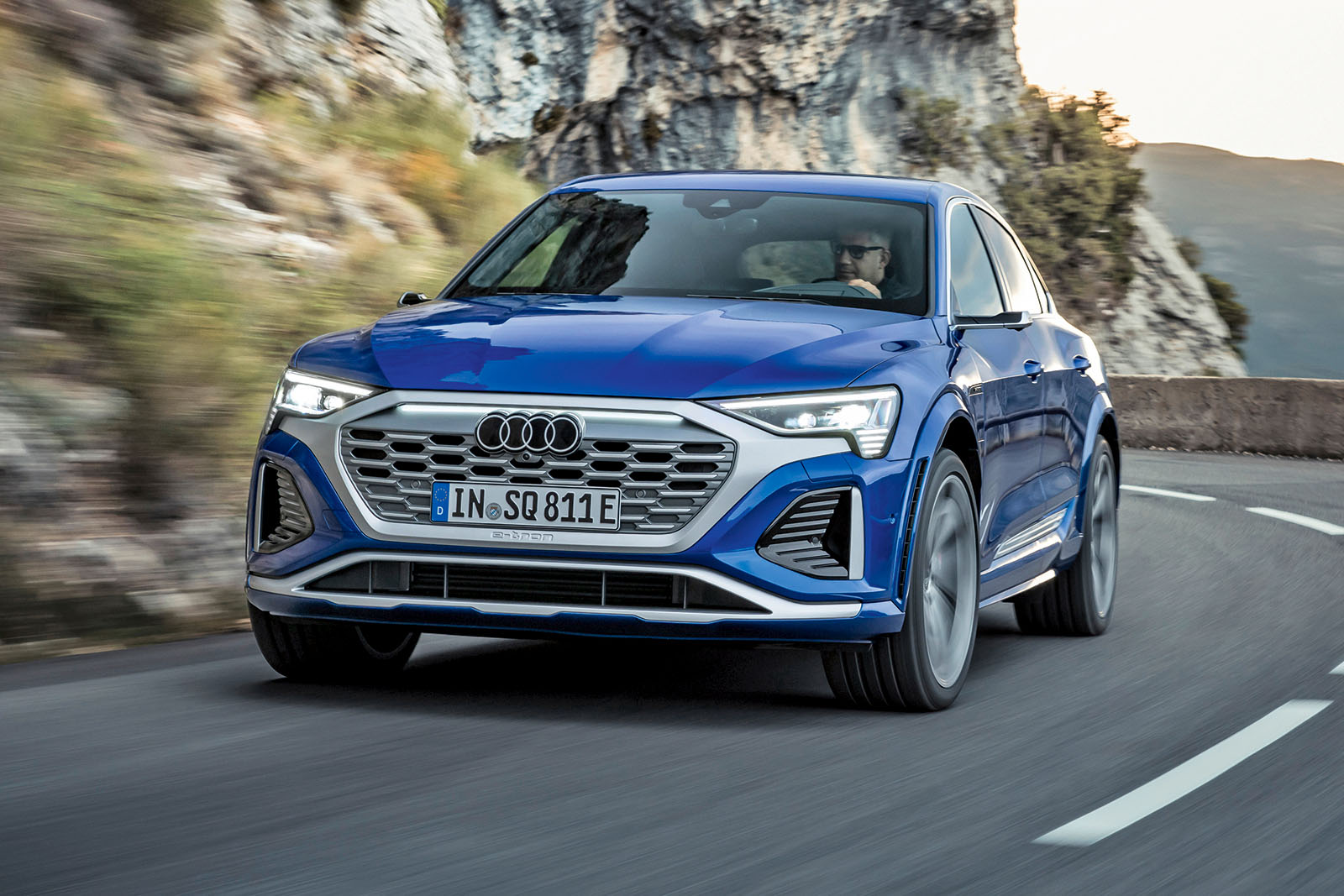
The Bavarian Alps loom, a majestic backdrop as you carve through hairpin turns in an Audi S5. The engine's throaty growl echoes against the rock face, a symphony of engineering prowess and driving pleasure. It's moments like these that solidify the allure of the four rings, but a nagging question often lingers in the minds of enthusiasts and prospective owners alike: are Audi cars reliable?
Audi, a marque synonymous with innovation and refined performance, has a legacy built on pushing technological boundaries. From its quattro all-wheel-drive system that revolutionized rallying to its pioneering use of lightweight aluminum construction, Audi consistently strives for engineering excellence. However, this complexity can sometimes translate into concerns about long-term reliability. Understanding the factors that influence an Audi's dependability is crucial before making a purchase.
Before you even consider test driving, research the specific Audi model and year you're interested in. Online forums, owner reviews, and reliability reports can provide invaluable insights into common issues and potential pitfalls. Knowledge is your best defense against unexpected repair bills.
Are Audi Cars Reliable? A Deep Dive
The perception of Audi reliability is often a mixed bag, varying significantly depending on the model, year, and maintenance history. While some Audis are known for their bulletproof performance and longevity, others have developed reputations for specific issues. To gain a clearer picture, let's explore some key areas that influence Audi's reliability.
Factors such as the complexity of the technology implemented, the model year, and, critically, the maintenance schedule adhered to by previous owners, can profoundly impact the overall ownership experience. It’s not merely about the initial build quality, but also about the diligence in following the manufacturer’s recommendations for servicing and upkeep.
Let’s consider a few specific examples. Earlier models equipped with the 2.0T engine, particularly those from the late 2000s and early 2010s, were sometimes plagued by oil consumption issues. This wasn't necessarily a sign of overall poor build quality, but rather a design flaw that, once identified, could be addressed with updated parts. Conversely, the naturally aspirated V8 engines found in models like the B7 RS4 are generally regarded as incredibly robust, provided they receive proper care, including regular oil changes and carbon cleaning.
The introduction of advanced features such as adaptive air suspension, complex infotainment systems, and intricate driver-assistance technologies has undeniably raised the bar for vehicle performance and comfort. However, these innovations also introduce potential points of failure. A malfunctioning sensor in the air suspension system, for example, can lead to costly repairs. Similarly, glitches in the infotainment system, while not affecting the car's mechanical performance, can be frustrating for owners.
Therefore, assessing Audi reliability requires a nuanced approach, one that considers the specific model, the technology it employs, and, most importantly, the maintenance it has received throughout its life. A well-maintained Audi, even one with a reputation for potential issues, is often a safer bet than a neglected example of a model known for its inherent reliability.
What Do Reliability Surveys Say About Audi?
Reliability surveys from organizations like J.D. Power and Consumer Reports offer valuable, data-driven insights into the reliability of various car brands, including Audi. While these surveys should be considered as one piece of the puzzle, they provide a broad overview of how Audi performs relative to its competitors.
Generally, Audi tends to rank around the middle of the pack in these surveys. This means that while they're not consistently at the very top in terms of reliability, they also don't usually fall to the bottom. The specific rankings can fluctuate from year to year, depending on the methodology used and the performance of different models.
It's crucial to delve deeper than just the overall brand ranking and examine the specific scores for different Audi models. Some models might perform significantly better than others, reflecting variations in their design, components, and manufacturing processes. For instance, a newer generation of a particular model might have addressed issues that plagued its predecessor, resulting in a higher reliability score.
Furthermore, consider the types of problems reported in these surveys. Are they primarily minor issues, such as infotainment glitches or squeaks and rattles, or are they more serious mechanical failures involving the engine, transmission, or other critical components? The severity of the problems can significantly impact the ownership experience and the overall cost of ownership.
Also, be aware of potential biases. Surveys often rely on owner-reported data, which can be influenced by factors such as owner expectations and driving habits. An owner who drives aggressively and neglects maintenance might be more likely to report problems than someone who takes meticulous care of their car.
In conclusion, reliability surveys provide a useful starting point for assessing Audi reliability, but they should be interpreted with caution and supplemented with other sources of information, such as owner reviews and expert opinions.
What Are Common Audi Problems and How to Prevent Them?
Specific models and engine configurations within the Audi lineup are known to be more susceptible to certain issues than others. Knowing these common problems can equip you with the knowledge to proactively address them and potentially prevent costly repairs down the line.
Oil Consumption (2.0T Engines): As mentioned earlier, some earlier versions of the
2.0T engine experienced excessive oil consumption. Regular oil level checks are crucial. Consider using a high-quality synthetic oil and adhering to a shorter oil change interval than recommended by the manufacturer. Carbon Buildup (Direct Injection Engines): Audi's direct injection engines are prone to carbon buildup on the intake valves. This can lead to reduced performance, rough idling, and decreased fuel economy. Regular carbon cleaning, either through a professional service or using specialized additives, can help prevent this issue. Timing Chain Issues (Certain Models): Some Audi models, particularly those with the
2.0T engine, have been known to experience timing chain issues, including stretching or failure. Listen for any unusual noises from the engine, such as rattling or ticking. Replacing the timing chain proactively, especially in higher-mileage vehicles, can prevent catastrophic engine damage. Cooling System Leaks: Audi cooling systems can be prone to leaks, particularly at plastic components such as the thermostat housing and water pump. Regularly inspect the cooling system for any signs of leaks, such as coolant puddles or a sweet smell. Replace any worn or cracked components promptly. Electrical Issues: Modern Audis are packed with electronics, and electrical problems can be a source of frustration. These can range from minor issues like faulty sensors to more serious problems like malfunctioning control modules. Ensure the battery is in good condition and properly maintained, as a weak battery can often trigger electrical issues. Air Suspension Problems:Models equipped with air suspension can experience issues such as leaks or compressor failures. Regular inspection of the air struts and compressor is recommended. Listen for any unusual noises, such as hissing or groaning, which could indicate a problem.
Consistent maintenance is key to preventing many of these issues. Follow the manufacturer's recommended service schedule meticulously, using high-quality parts and fluids. Addressing minor problems promptly can prevent them from escalating into more serious and expensive repairs. Consider consulting with a trusted mechanic who specializes in Audi vehicles. They can provide valuable insights into potential problems and recommend preventative maintenance measures.
Audi Maintenance Tips to Keep Your Car Running Smoothly
Maintaining an Audi requires a proactive approach, focusing on preventative measures to ensure longevity and performance. Here are some practical tips to keep your Audi running smoothly: Regular Oil Changes: Use a high-quality synthetic oil that meets Audi's specifications and adhere to the recommended oil change interval, or even slightly shorter if you drive aggressively. Fluid Checks and Top-Ups: Regularly check and top-up all fluids, including coolant, brake fluid, power steering fluid, and transmission fluid. Tire Maintenance: Maintain proper tire pressure and rotate your tires regularly to ensure even wear. Brake Inspections: Inspect your brakes regularly for wear and tear. Replace brake pads and rotors as needed. Battery Maintenance: Keep the battery terminals clean and free of corrosion. If the battery is more than a few years old, consider having it tested to ensure it's still in good condition. Filter Replacements: Replace air filters, cabin air filters, and fuel filters according to the manufacturer's recommendations. Scheduled Services: Adhere to the manufacturer's recommended service schedule, which includes inspections, fluid changes, and other preventative maintenance tasks. Address Issues Promptly: Don't ignore warning lights or unusual noises. Addressing minor problems promptly can prevent them from escalating into more serious and expensive repairs. Use Quality Parts: When replacing parts, use genuine Audi parts or high-quality aftermarket parts that meet Audi's specifications. Find a Trusted Mechanic: Find a mechanic who specializes in Audi vehicles and has a good reputation. They can provide valuable insights into potential problems and recommend preventative maintenance measures.
Beyond the practical tips, consider also the way you drive. Smooth acceleration, gentle braking, and avoiding harsh conditions when possible can all contribute to reducing wear and tear on your Audi and prolonging its lifespan. It's about driving with respect for the engineering that went into creating your vehicle.
Are Newer Audi Models More Reliable Than Older Ones?
The evolution of technology and manufacturing processes means that newer Audi models often incorporate improvements that address issues found in older generations. However, the relationship between age and reliability isn't always straightforward.
On one hand, newer models benefit from advancements in engine design, materials, and electronics. Manufacturers have learned from past mistakes and implemented changes to improve the durability and longevity of their vehicles. Newer Audis may also incorporate more sophisticated diagnostic systems that can detect potential problems early on, allowing for timely intervention.
On the other hand, newer models often come with more complex technology, which can introduce new potential points of failure. Features like advanced driver-assistance systems, intricate infotainment systems, and electronically controlled suspension can be prone to glitches or malfunctions. Moreover, the long-term reliability of these complex systems is not always fully understood until the vehicles have been on the road for several years.
Furthermore, the maintenance history of a vehicle plays a significant role in its reliability, regardless of its age. An older Audi that has been meticulously maintained and cared for may be more reliable than a newer model that has been neglected.
Therefore, when comparing the reliability of newer and older Audi models, it's essential to consider a variety of factors, including the specific model, the technology it employs, the maintenance history, and the driving conditions. Researching common problems for each model year and reading owner reviews can provide valuable insights.
Ultimately, the decision of whether to buy a newer or older Audi model depends on your individual priorities and budget. If you prioritize the latest technology and safety features, a newer model may be the better choice. However, if you're looking for a more affordable option and are willing to invest in preventative maintenance, an older model that has been well-cared for can be a reliable and rewarding choice.
The Audi story is not just about speed and luxury; it’s a testament to human ingenuity. Despite the reliability concerns that sometimes surface, the passion for the brand remains strong, fueled by the thrill of the drive and the enduring appeal of German engineering. Taking the time to research, maintain, and understand your Audi ensures many more miles of exhilarating performance, solidifying your connection to a legacy of automotive excellence. So, embrace the drive, cherish the experience, and let the four rings inspire your journey.
Posting Komentar untuk "are audi cars reliable? Expert Opinions & Maintenance Tips"