The choice between an electric vehicle (EV) and a gas-powered car in 2026 is no longer just about "saving the planet" versus "range anxiety"—it's a calculation of upfront price versus long-term ownership costs. With EV prices nearing parity in some segments and charging infrastructure expanding rapidly, the gap is narrowing. However, distinct differences remain in refueling convenience, maintenance simplicity, and upfront affordability.
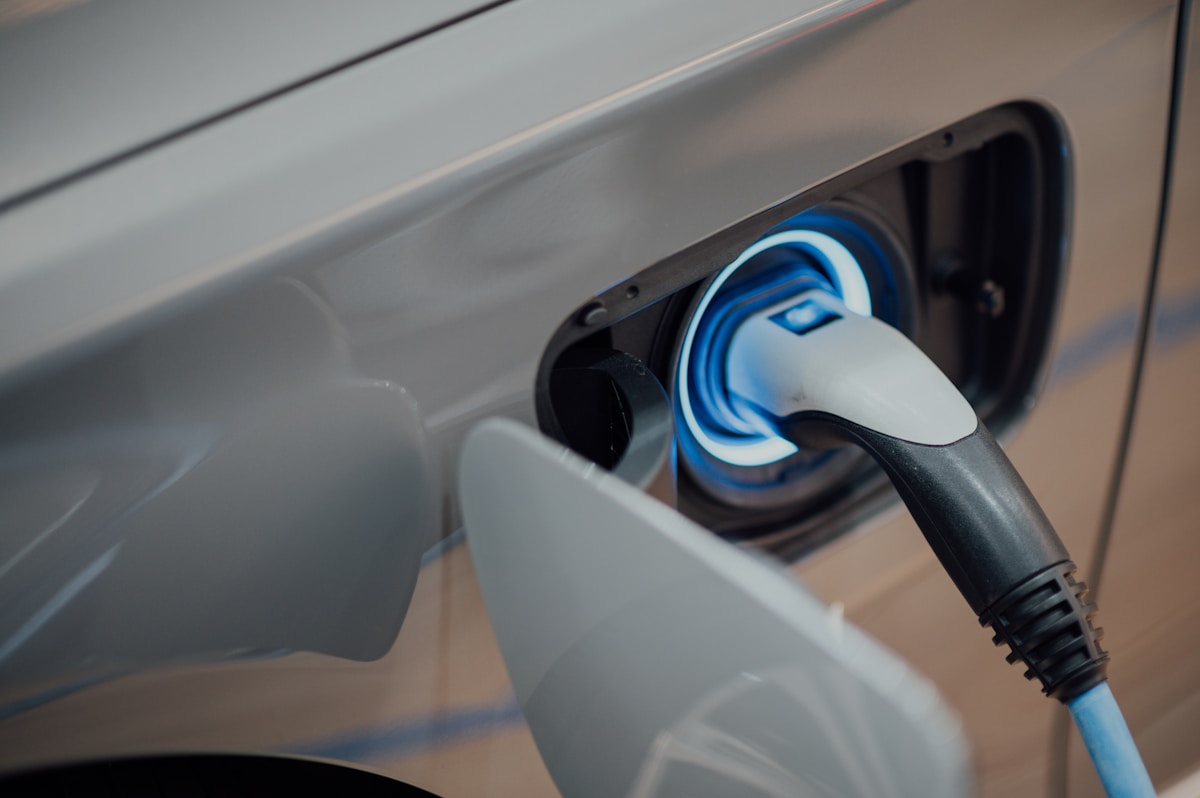
This guide cuts through the hype to compare modern EVs (like the Hyundai Ioniq 6 or Tesla Model 3) against traditional internal combustion engines (ICE) across three critical areas: real-world refueling/charging reality, maintenance costs over 5+ years, and the actual price you pay to drive off the lot.
Executive Key Takeaways (2026 Data)
- Maintenance Wins: EVs cost approximately 50% less to maintain over their lifetime thanks to having no oil changes and far fewer moving parts.
- Charging is Fast, but Niche: Top-tier EVs like the Zeekr 7X can now charge 10–80% in under 11 minutes, but most public fast chargers still take 20–40 minutes.
- Infrastructure Gap: While charger growth is explosive, gas stations still win on density and speed, especially in rural areas.
- Battery Replacement Reality: Out-of-warranty battery replacement is rare but costly ($5,000–$15,000+), though costs are falling annually.
- Upfront vs. Lifetime: EVs still often carry a higher sticker price (avg $59k vs $49k for gas), but lower fuel/maintenance costs can save $6k–$10k over 7–10 years.
Table of Contents
1. Advantages of an Electric Vehicle
Simplified Maintenance
An EV drivetrain has roughly 20 moving parts compared to 2,000+ in a gas engine. This translates to significantly lower lifetime maintenance costs. You will never pay for an oil change, spark plugs, timing belt, or transmission flush. Brake pads also last significantly longer due to regenerative braking.
Performance & Quiet
Electric motors provide 100% torque instantly. This makes even budget EVs feel quicker in city traffic than comparable gas cars. The lack of engine vibration and noise creates a luxury-car feel even in economy segments.
Home "Refueling"
For homeowners, the "gas station" is in the garage. Starting every day with a full "tank" (battery) takes 10 seconds to plug in at night, eliminating weekly stops at a gas station entirely for daily commuting.
2. Advantages of a Gas-Fueled Car
Refueling Speed & Availability
Gas stations are ubiquitous, located on every major corner and highway exit. Refueling takes 3–5 minutes regardless of the vehicle. This density makes gas cars superior for spontaneous long-distance travel, rural driving, and towing, where EV range drops significantly.
Lower Upfront Cost
In 2026, gas cars still average about $10,000 less in upfront purchase price before incentives. For buyers on a strict monthly budget or those who don't drive enough miles to recoup the fuel savings, a gas car is often the cheaper financial choice today.
Proven Longevity (Post-Warranty)
While EV batteries are reliable, replacing one out of warranty is a massive expense. A gas engine can often be repaired incrementally (alternator, water pump) for hundreds rather than thousands of dollars, making older used gas cars less of a financial gamble for some buyers.
3. The Cost Equation: Upfront vs. Long-Term
Fuel Savings
Electricity prices are far more stable than gas prices. Driving 100 miles on electricity typically costs a fraction of what gas costs. Over 100,000 miles, this adds up to thousands in savings, often offsetting the higher sticker price of the EV.
Insurance Differences
EVs often cost more to insure (averaging higher annual premiums) due to higher repair costs for specialized parts and sensors. Always get insurance quotes before buying to see if premiums eat up your fuel savings.
4. Charging vs. Refueling: The 2026 Reality
Speed is Improving
New 800-volt architectures (like in Hyundai/Kia/Porsche and the new Zeekr 7X) allow 10–80% charging in 10–18 minutes. However, this requires a specialized 350kW DC fast charger, which are not yet available at every station.
Infrastructure Gaps
While the U.S. adds a new charging station roughly every 3 days, chargers are still concentrated in urban centers and major corridors. Rural areas remain "charging deserts," making EVs a challenge for drivers in remote locations.
5. Deciding Between Gas and Electric
Choose Electric If:
- You have reliable home or workplace charging (this is the #1 factor).
- You drive 40+ miles daily (high mileage maximizes fuel savings).
- You want the latest tech, silence, and low maintenance.
Choose Gas If:
- You park on the street/apartment without a plug.
- You frequently drive 400+ miles in a single day or tow heavy loads.
- You want the lowest possible upfront purchase price or buy older used cars.
Frequently Asked Questions
How long do EV batteries actually last?
Modern EV batteries are designed to last 15–20 years. Most manufacturers warranty them for 8–10 years/100,000 miles. Complete failure is rare; gradual range loss is normal but slow.
Is it cheaper to charge an EV than buy gas?
Yes, almost always, if you charge at home. Public "fast charging" is expensive (sometimes nearing gas prices), but residential electricity rates yield massive savings—roughly 1/3 to 1/4 the cost of gas per mile.
Do EVs really need less maintenance?
Yes. Without oil, spark plugs, mufflers, radiators (for combustion), or complex transmissions, the list of "things that break" is far shorter. Tires and washer fluid are your main consumables.
Can I charge an EV in the rain?
Yes. EV charging systems are fully weatherproof and have safety interlocks that prevent current from flowing until a secure, dry connection is locked in place.
Posting Komentar untuk "Gas vs. Electric Cars (2026): A Realistic Comparison of Costs, Range, and Maintenance"