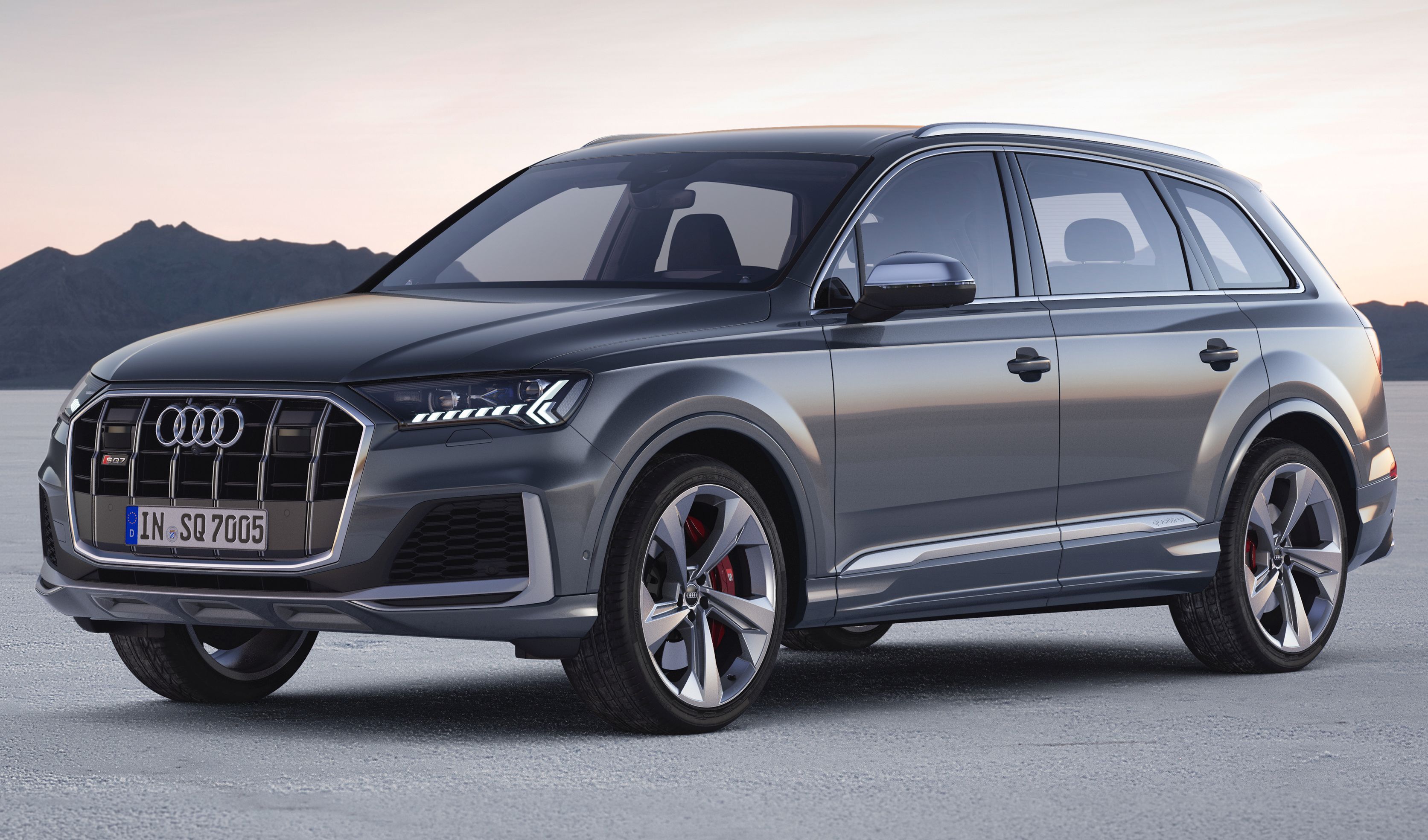
The Autobahn stretches ahead, a ribbon of possibility inviting you to unleash the potential beneath the hood. That feeling of controlled power, of engineering precision responding to your every command – that's the essence of a true German driving experience. And few brands embody that spirit quite like Audi.
Audi isn’t just a car; it's a statement. A statement of appreciation for meticulous engineering, innovative technology, and a driving experience that’s both refined and exhilarating. From the iconic quattro all-wheel-drive system that conquered rally stages to the sleek, tech-laden interiors that redefine modern luxury, Audi has consistently pushed the boundaries of automotive excellence. But is it, at its heart, truly a German car? The answer, like the finely tuned engines that power these machines, is complex and compelling.
Thinking about your next car? Before you get caught up in horsepower figures and infotainment systems, remember this: a well-maintained Audi is a happy Audi. Regular servicing, using quality parts, and addressing minor issues promptly can dramatically extend the lifespan and performance of your beloved machine. A little preventative care goes a long way in preserving that German engineering magic.
Is Audi a German Car? Unraveling the Heritage
The simple answer is a resounding yes, Audi is undeniably a German car. But the story goes far deeper than just a country of origin. The roots of Audi are firmly planted in German soil, a narrative woven with innovation, resilience, and a relentless pursuit of engineering perfection. Understanding this history is crucial to appreciating what makes an Audi, well, an Audi.
The company's lineage traces back to August Horch, a pioneering engineer who founded Horch & Cie. Motorwagenwerke in 1899. After a dispute with his board, Horch left and, unable to use his own name due to trademark issues, cleverly translated his last name (which means "hark!" or "listen!") into Latin – resulting in Audi.Audi Automobilwerke Gmb H was born in
1910. This early history already establishes a foundation of German engineering ingenuity and entrepreneurial spirit.
The "four rings" logo, now instantly recognizable worldwide, represents the 1932 merger of Audi, Horch, DKW, and Wanderer, forming Auto Union. This union was a significant moment, pooling together the resources and expertise of these distinct German automotive manufacturers. Each brand brought its own unique strengths to the table, contributing to a more comprehensive and competitive automotive force.
Following World War II, Auto Union was re-established in Ingolstadt, Bavaria. This marked a new chapter, laying the groundwork for the modern Audi we know today. In 1964, Volkswagen acquired a controlling interest in Auto Union, eventually merging it with NSU Motorenwerke in 1969, creating Audi NSU Auto Union AG. While under Volkswagen's umbrella, Audi retained its distinct identity and continued to innovate, solidifying its position as a premium German automaker.
Today, Audi AG is a subsidiary of the Volkswagen Group, one of the world’s largest automotive conglomerates. Despite being part of a larger global entity, Audi's engineering, design, and manufacturing remain heavily rooted in Germany. Many of its core technologies and signature design elements are developed and produced in Germany, contributing significantly to the German automotive industry as a whole.
Audi's German Engineering: Performance and Innovation
Audi’s reputation for performance and innovation is intrinsically linked to its German engineering philosophy. This philosophy emphasizes precision, reliability, and a constant drive for improvement. From the legendary quattro all-wheel-drive system to its cutting-edge engine technology and advanced driver-assistance systems, Audi consistently pushes the boundaries of what’s possible in automotive engineering.
Quattro, perhaps Audi’s most iconic innovation, revolutionized the automotive landscape. Introduced in 1980, quattro permanently changed the way cars handle, providing unparalleled grip and control in all weather conditions. Its success in rally racing solidified Audi's reputation for performance and engineering prowess. The continuous development of quattro remains a core element of Audi's DNA, constantly evolving to meet the demands of modern driving.
Audi is also at the forefront of engine technology, developing efficient and powerful engines that deliver both performance and fuel economy. From turbocharged four-cylinder engines to high-revving V8s and smooth V6s, Audi offers a diverse range of powertrains to suit different driving styles and preferences. The brand’s commitment to innovation extends to electric vehicles, with the e-tron lineup showcasing Audi’s vision for the future of sustainable mobility.
Beyond performance, Audi is also known for its advanced technology and luxurious interiors. The brand's MMI (Multi Media Interface) infotainment system is a leader in the industry, offering intuitive controls and seamless connectivity. Audi's virtual cockpit, a fully digital instrument cluster, provides drivers with a customizable and informative driving experience. High-quality materials, meticulous craftsmanship, and attention to detail are hallmarks of Audi interiors, creating a comfortable and refined driving environment.
Audi Reliability: What to Know Before You Buy
Reliability is often a top concern for prospective Audi buyers. While Audi has made significant improvements in recent years, understanding potential issues and how to mitigate them is crucial for a satisfying ownership experience.
Historically, some Audi models have been prone to certain reliability issues, such as oil consumption, electrical problems, and transmission issues. However, advancements in technology and manufacturing processes have led to improved reliability in newer models. Regular maintenance, using quality parts, and addressing minor issues promptly can help prevent more significant problems down the road.
Several factors can influence the reliability of an Audi, including the specific model, engine type, and driving conditions. Some models are known to be more reliable than others, and certain engines may be more prone to specific issues. Driving habits, such as aggressive acceleration and hard braking, can also impact the longevity of certain components.
To ensure a reliable ownership experience, it’s essential to research specific models and engine types before making a purchase. Consider getting a pre-purchase inspection from a qualified mechanic to identify any potential issues. Following the manufacturer's recommended maintenance schedule and using genuine Audi parts can also help maintain the vehicle’s reliability over time. Reading Audi performance reviews can also give an idea of the vehicles condition.
Maintaining Your Audi: Tips for Longevity
Proper maintenance is essential for keeping your Audi running smoothly and reliably for years to come. Following the manufacturer's recommended maintenance schedule and using quality parts are crucial for preserving the vehicle’s performance and preventing costly repairs.
Here are some essential maintenance tips for Audi owners: Regular Oil Changes: Changing the oil at the recommended intervals is crucial for engine health. Use the correct type of oil specified by Audi. Fluid Checks: Regularly check and top off all fluids, including coolant, brake fluid, power steering fluid, and windshield washer fluid. Brake Inspection: Inspect the brake pads, rotors, and calipers regularly for wear and damage. Tire Maintenance: Maintain proper tire pressure and rotate the tires regularly to ensure even wear. Scheduled Services:Adhere to the manufacturer's recommended service schedule, including spark plug replacement, timing belt replacement, and transmission fluid changes.
In addition to regular maintenance, it’s essential to address any issues promptly. Ignoring minor problems can lead to more significant and costly repairs down the road. If you notice any unusual noises, vibrations, or warning lights, take your Audi to a qualified mechanic for diagnosis and repair.
The Future of Audi: Electric Innovation and German Engineering
Audi's commitment to German engineering extends beyond traditional internal combustion engines. The brand is actively embracing electric mobility, developing a range of electric vehicles that combine performance, luxury, and sustainability.
The e-tron lineup represents Audi's vision for the future of electric driving. These vehicles offer impressive performance, long driving ranges, and advanced technology, all while reducing emissions and promoting a cleaner environment. Audi is investing heavily in electric vehicle technology, including battery development, charging infrastructure, and autonomous driving systems.
Audi's electric vehicles are not just about sustainability; they also embody the brand's commitment to performance and innovation. The e-tron GT, for example, is a high-performance electric grand tourer that delivers exhilarating acceleration and precise handling. Audi is also developing electric versions of its iconic performance models, such as the RS e-tron GT, showcasing the brand's dedication to pushing the boundaries of electric performance.
As Audi continues to evolve, its German heritage will remain a guiding force. The brand's commitment to precision engineering, innovative technology, and a driver-focused experience will continue to shape its future, ensuring that Audi remains a leader in the automotive industry for years to come.
So, is Audi a German car? Absolutely. And it's so much more. It's a testament to the enduring power of German engineering, a legacy of innovation, and a driving experience that truly connects you to the road. Owning an Audi is not just about owning a car; it's about embracing a philosophy of excellence, a passion for performance, and a commitment to the art of driving. It’s about experiencing that uniquely German feeling of confidence and control as you conquer every road ahead.
Posting Komentar untuk "is audi german car? Facts You Need to Know"