The wind whips through your hair as you carve through a coastal highway in your meticulously restored 1967 Mustang. The sun gleams off the chrome, and the engine roars a symphony of mechanical perfection. But then... a tinny, AM radio crackles to life, reminding you that some aspects of classic motoring haven't aged quite as gracefully.
The allure of vintage cars is undeniable, a tangible connection to a bygone era. But let's face it: while classic car aesthetics are timeless, the audio technology often leaves something to be desired. Fortunately, you don't have to choose between preserving the soul of your classic and enjoying modern sound quality. Upgrading the audio in your vintage ride is entirely possible, and often simpler than you might think.
Before diving into upgrades, spend some time driving your classic and pinpointingexactlywhat you dislike about the current audio setup. Is it the static, the limited frequency response, the lack of connectivity, or simply the absence of your favorite tunes? Knowing this will guide your upgrade choices.
Classic Car Audio: Bridging the Gap Between Then and Now
The challenge lies in seamlessly integrating modern technology into a vehicle designed for a simpler time. The key is finding solutions that offer improved audio performance without compromising the original character of the car. This might mean carefully selecting components that blend aesthetically or creatively concealing them within the existing interior.
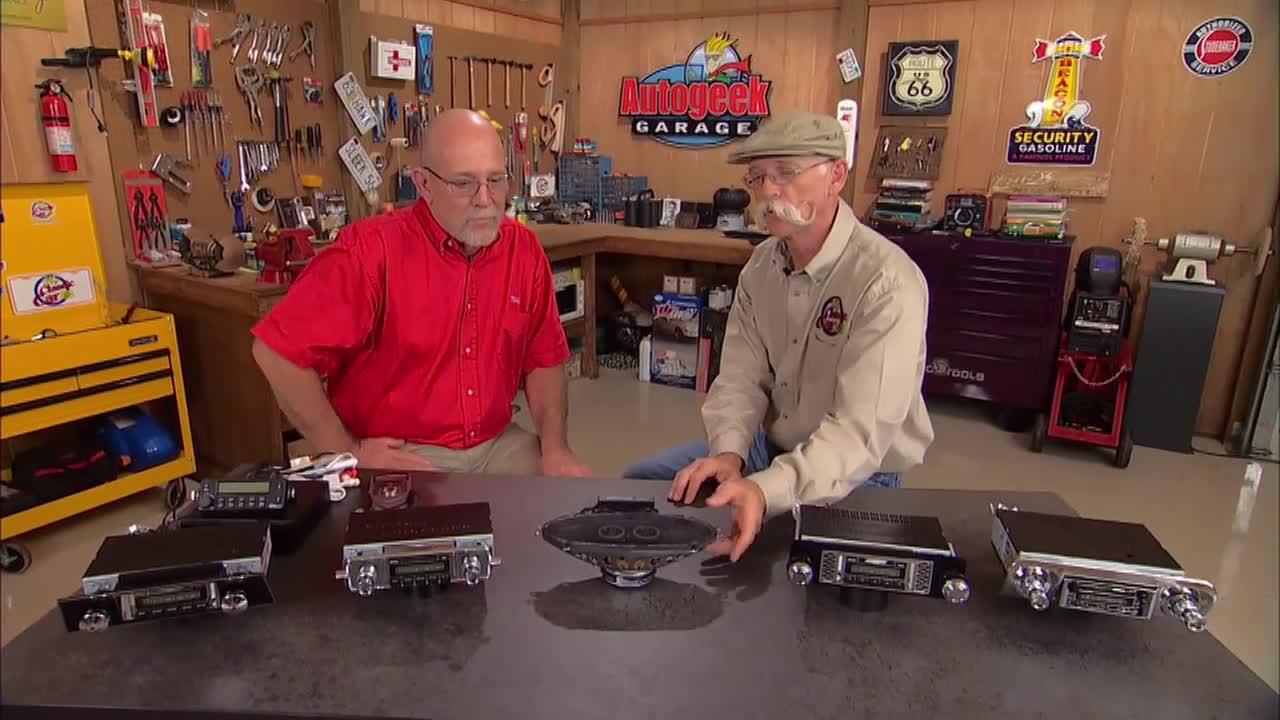
Many modern head units, for instance, offer "classic" styling with modern functionality like Bluetooth connectivity, USB ports, and even digital radio. These are designed to mimic the look of vintage radios while providing a significant leap in sound quality and convenience. Think of it as a restomod approach – updating the internals while preserving the exterior charm.
The good news is, there’s a whole ecosystem of products designed specifically for this purpose. From hidden amplifiers and discreet speaker solutions to custom-built enclosures that fit seamlessly into original locations, the options are plentiful.
Can I install a modern sound system in my classic car without damaging its originality?
Absolutely. Preservation is paramount for many classic car owners. Several strategies can help you upgrade your audio while minimizing any permanent alterations. One common approach is to retain the original head unit for aesthetic purposes, but bypass its internal amplifier and connect it to a modern amplifier hidden under a seat or in the trunk. You can then use high-quality aftermarket speakers that fit into the original speaker locations or utilize custom-built enclosures that require no modification to the car's body. Another option is to use a Bluetooth receiver that plugs into the existing auxiliary input (if available) or integrates with the original radio via an FM modulator, allowing you to stream music from your smartphone without altering the car's wiring or appearance. It's all about being strategic and choosing components that are easily reversible if desired.
Choosing the Right Components for Your Vintage Ride
Selecting the right components is crucial for achieving the desired sound quality and preserving the integrity of your classic. Here's a breakdown of key considerations: Head Unit: This is the brains of your audio system. Consider a modern head unit with a classic look or a discreet unit that can be hidden. Features like Bluetooth, USB, and auxiliary inputs are invaluable for modern connectivity. Look for models with adjustable illumination to match the original dashboard lighting. Speakers: Upgrading your speakers is one of the most impactful improvements you can make. Consider the size and placement of the original speakers when selecting replacements. Many manufacturers offer direct-fit speakers designed for classic cars. Amplifier: An amplifier will provide the power needed to drive your speakers and improve overall sound quality. Choose an amplifier that matches the power requirements of your speakers and can be discreetly installed. Subwoofer (Optional): For added bass, consider a compact subwoofer that can be hidden in the trunk or under a seat. Wiring:Use high-quality wiring to ensure optimal signal transfer and prevent noise. Consider a wiring harness specifically designed for classic car audio systems.
Remember to prioritize quality over quantity. A well-matched system with fewer, high-quality components will often sound better than a system with numerous cheaper components. Don’t underestimate the importance of proper wiring. A poorly grounded system, for instance, can introduce unwanted noise and distortion.
How can I improve the sound quality without replacing the original radio?
If maintaining the original radio is a top priority, there are still several ways to significantly improve the audio quality. Consider these options: Speaker Upgrade: Replacing the original speakers with modern, high-quality speakers designed to fit the factory locations is a straightforward and effective upgrade. Hidden Amplifier: Install a modern amplifier and connect it to the original radio's speaker outputs (if suitable) or use a line output converter (LOC) to convert the speaker-level signal to a pre-amp signal. The amplifier can then drive the upgraded speakers with much more power and clarity. Bluetooth Adapter: Use a Bluetooth adapter that connects to the original radio via an FM modulator or auxiliary input (if available). This allows you to stream music from your smartphone while preserving the original radio's appearance. Noise Reduction: Address any sources of noise, such as a worn-out generator or faulty wiring, which can significantly impact sound quality.
Installation Tips and Considerations
Proper installation is crucial for ensuring optimal performance and preserving the integrity of your classic.
Wiring: Pay close attention to wiring. Use appropriate gauge wire, properly insulate connections, and route wires carefully to avoid interference or damage. Consult a wiring diagram for your car model. Grounding: A solid ground connection is essential for reducing noise. Ensure that all components are properly grounded to a clean, unpainted metal surface. Speaker Placement: Consider the original speaker locations and aim to maintain a balanced soundstage. If possible, improve speaker mounting to minimize vibrations. Hidden Installation: Get creative with hiding components. Under seats, in the glove box, or in the trunk are all potential locations. Professional Installation:If you're not comfortable with electrical work or custom fabrication, consider hiring a professional installer specializing in classic car audio systems.
Before drilling any holes or making any permanent modifications, take the time to plan your installation carefully. Mock up the placement of components and test the wiring to ensure everything works as expected. Also, document the original wiring configuration before making any changes. This will make it easier to revert to the original setup if desired.
What are the biggest challenges when installing modern audio in a classic car?
Installing modern audio equipment in a classic car can present several unique challenges: Limited Space: Classic cars often have limited space for modern components, particularly amplifiers and subwoofers. Finding creative ways to conceal equipment is often necessary. Electrical Systems: Classic car electrical systems can be unreliable and may not be compatible with modern audio equipment. Ensuring proper voltage and grounding is crucial. Originality Concerns: Many classic car owners are hesitant to make permanent modifications to their vehicles. Finding non-invasive installation methods is often a priority. Noise and Interference: Classic cars can be prone to noise and interference from the engine, ignition system, and other electrical components. Proper shielding and grounding are essential for achieving clean sound. Finding Compatible Components:Some modern audio components may not be aesthetically compatible with the interior of a classic car. Choosing components that blend seamlessly with the original design is important.
Maintaining Your Classic Car Audio System
Once your new audio system is installed, proper maintenance will ensure it continues to perform optimally for years to come.
Regular Cleaning: Keep the head unit and speakers clean to prevent dust and debris from affecting sound quality. Check Connections: Periodically inspect wiring connections to ensure they are secure and free from corrosion. Battery Maintenance: A healthy battery is essential for optimal audio performance. Keep the battery properly charged and maintained. Protect from the Elements: When storing your classic car, protect the audio system from moisture and extreme temperatures. Professional Service:Consider having your audio system serviced by a professional every few years to ensure it is functioning properly.
Regularly check the speaker surrounds for signs of cracking or deterioration. These can significantly impact sound quality. Also, be mindful of the volume levels you're playing your music at. Excessive volume can damage speakers and shorten their lifespan.
Ultimately, upgrading the audio in your classic car is about enhancing your driving experience. It’s about blending the nostalgia of a bygone era with the convenience and sound quality of modern technology. It allows you to truly enjoy your classic, mile after mile, with the soundtrack of your life accompanying the rumble of the engine. So crank up the tunes, hit the open road, and let the good times roll. Your classic car deserves nothing less.
Posting Komentar untuk "classic car audio: Upgrading Vintage Cars with Modern Sound"