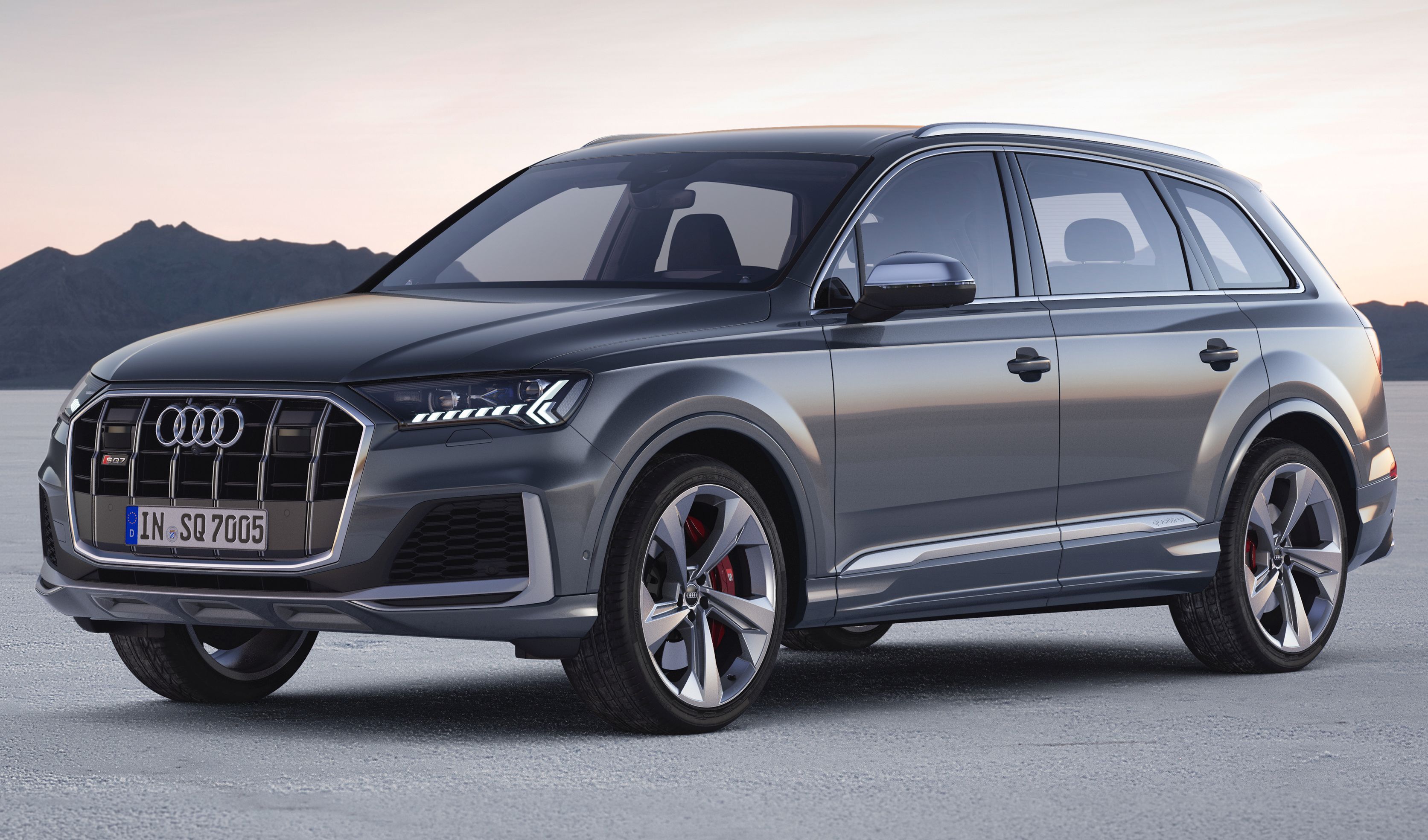
The Autobahn stretches before you, the speedometer needle climbing as effortlessly as a seasoned climber scaling a familiar peak. That distinctive Audi growl emanating from the engine bay is a symphony of German engineering, precision, and performance. But have you ever wondered where the birthplace of that engineering marvel actuallyis? It’s a question that delves into a rich history, a commitment to innovation, and a global manufacturing network that’s as intricate as the wiring harness of an RS e-tron GT.
The Audi you drive, whether a nimble A3 or a stately Q7, is more than just a car; it’s a rolling testament to a century of automotive ingenuity. From its groundbreaking quattro all-wheel drive system that revolutionized rallying to its relentless pursuit of aerodynamic perfection, Audi has consistently pushed the boundaries of what's possible. Understanding where these vehicles are born provides a deeper appreciation for the brand’s heritage and its unwavering commitment to quality.
Thinking of adding an Audi to your garage? Before you sign on the dotted line, take the time to research the specific model's manufacturing location and its associated reputation. While Audi maintains stringent quality control standards across its global network, understanding the nuances of each plant can help you make a more informed decision. Look for online forums and owner reviews that discuss specific models produced at particular locations. Now, let's embark on a journey to explore the global landscape of Audi production.
The Heart of Audi:Ingolstadt, Germany
Ingolstadt is not just a city in Bavaria; it's the very soul of Audi. This is where the company's headquarters are located, and it's home to one of Audi's largest and most technologically advanced production facilities. Walking through the gates of the Ingolstadt plant is like stepping into a futuristic automotive city. Here, you'll witness the meticulous assembly of iconic models such as the A3, A4, A5, and Q2.
The history of Audi in Ingolstadt is inextricably linked to the Auto Union, the company formed in 1932 from the merger of four struggling German automakers: Audi, DKW, Horch, and Wanderer. After World War II, the Auto Union was re-established in Ingolstadt, laying the foundation for the modern Audi we know today. The four rings of the Audi logo symbolize this historic union, each ring representing one of the original companies.
The Ingolstadt plant is a sprawling complex that employs thousands of workers and utilizes cutting-edge automation. Robots meticulously weld body panels, while skilled technicians oversee every step of the assembly process. The facility is also a hub for research and development, where engineers are constantly working on new technologies and innovations that will shape the future of Audi vehicles. This blend of tradition and innovation is what makes Ingolstadt the undisputed heart of Audi.
Is Ingolstadt Only For Internal Combustion Engine (ICE) Cars?
No, while Ingolstadt has a long history of producing gasoline and diesel-powered vehicles, it's also a key player in Audi's electric future. The plant has been adapted to produce electric vehicles (EVs) and plug-in hybrid electric vehicles (PHEVs), demonstrating Audi's commitment to sustainable mobility. The Audi Q4 e-tron, for example, is a significant EV model produced at the Ingolstadt site, alongside more traditional offerings. This transition reflects the broader shift in the automotive industry towards electrification.
Audi's Global Production Network: Expanding Horizons
While Ingolstadt remains the spiritual home of Audi, the company has expanded its production footprint across the globe to meet growing demand and optimize its supply chain. This global network allows Audi to tap into local expertise, access regional markets, and reduce transportation costs. Let's take a look at some of Audi's key manufacturing locations outside of Germany: Neckarsulm, Germany: Home to the production of high-performance models such as the A6, A7, A8, and RS variants. Neckarsulm is renowned for its expertise in aluminum construction and lightweight design. Győr, Hungary: A major production hub for Audi, Győr produces a wide range of models, including the A3 Sedan, Q3, and Q3 Sportback. The plant is also a significant engine production facility. San José Chiapa, Mexico: Audi's North American manufacturing base, San José Chiapa, is responsible for producing the Q5. This plant plays a crucial role in serving the North American market. Changchun, China: As the world's largest automotive market, China is a vital region for Audi. The company has a joint venture with FAW Group to produce models such as the A4L, A6L, and Q5L in Changchun. Martorell, Spain:This is a SEAT (Volkswagen Group) factory that also produces the Audi A1.
This global network allows Audi to tailor its production to meet the specific needs of different markets and ensures that its vehicles are readily available to customers around the world. Each plant adheres to Audi's stringent quality control standards, ensuring that every vehicle that rolls off the assembly line meets the company's exacting specifications.
How Does Audi Ensure Quality Control Across Its Global Plants?
Audi maintains consistent quality across its global network through a combination of standardized processes, rigorous training, and advanced technology. All plants adhere to the same strict manufacturing standards, and employees undergo extensive training to ensure they are proficient in their roles. Audi also utilizes advanced quality control systems, including automated inspection processes and statistical process control, to identify and address any potential issues before they affect the final product. Regular audits and benchmarking exercises are conducted to ensure that all plants are performing at the highest level.
A Deeper Dive: Key Models and Their Birthplaces
Understanding which models are produced at which locations can provide valuable insights into their unique characteristics and build quality. For example, the Audi Q5, produced in both Mexico and China, is a popular choice for families and adventurers alike. However, the model produced in Mexico is typically destined for North America, while the China-built variant serves the Chinese domestic market.
The flagship A8, assembled in Neckarsulm, Germany, benefits from the plant's expertise in aluminum construction, resulting in a lightweight and exceptionally rigid chassis. This contributes to the A8's renowned handling and ride comfort. Similarly, the high-performance RS models, also built in Neckarsulm, receive special attention from skilled technicians who meticulously assemble and fine-tune these performance machines.
By understanding the manufacturing location of your desired Audi model, you can gain a better appreciation for the craftsmanship and engineering that goes into its creation. This knowledge can also be helpful when researching reliability reports and owner reviews, as some manufacturing locations may have a slightly different reputation than others.
Does the Manufacturing Location Affect the Reliability of an Audi?
While Audi strives for consistent quality across all its plants, some subtle differences can exist in the long-term reliability of vehicles produced at different locations. These differences are often related to factors such as the specific components used, the skill of the workforce, and the local environmental conditions. It's important to research the specific model you're interested in and look for owner reviews that discuss reliability issues associated with vehicles produced at particular locations. However, it's worth noting that Audi continuously works to improve its manufacturing processes and address any potential issues, so these differences are typically minor.
Fun Facts and Historical Tidbits
The history of Audi is filled with fascinating stories and surprising facts. Did you know, for example, that the original Audi company was founded in 1910 by August Horch, a former engineer at Karl Benz's company? Horch was forced to leave his own company, Horch & Cie, after a dispute with the board of directors. He then founded a new company and, because he was legally prohibited from using his own name, he chose the Latin translation of his name – Audi.Another interesting fact is that Audi was a pioneer in the development of turbocharged engines. The Audi quattro, launched in 1980, was one of the first production cars to feature a turbocharged engine and all-wheel drive. This combination revolutionized rallying and paved the way for Audi's dominance in motorsport.
The four rings of the Audi logo, representing the four companies that merged to form Auto Union, are a constant reminder of the company's rich history and its commitment to innovation. The Audi brand has persevered through world wars, economic recessions, and technological shifts, emerging as a global leader in the automotive industry.
These fun facts and historical tidbits provide a glimpse into the fascinating world of Audi and its enduring legacy.
The Future of Audi Production: Electrification and Innovation
As the automotive industry undergoes a radical transformation, Audi is at the forefront of electrification and innovation. The company has committed to launching a range of electric vehicles in the coming years, and its production facilities are being adapted to accommodate this shift.
The Ingolstadt plant, as mentioned previously, is already producing the Audi Q4 e-tron, and other plants are being upgraded to manufacture future electric models. Audi is also investing heavily in battery technology and charging infrastructure to support its electric vehicle lineup.
In addition to electrification, Audi is also exploring new manufacturing technologies, such as 3D printing and artificial intelligence, to further optimize its production processes and improve the quality of its vehicles. The company is committed to sustainable manufacturing practices, reducing its environmental impact and promoting responsible resource management.
The future of Audi production is bright, with a focus on innovation, sustainability, and delivering exceptional vehicles to customers around the world. The next time you see an Audi gracefully navigating the road, remember the global network of skilled engineers and dedicated workers who brought it to life. It's a story of heritage, innovation, and a relentless pursuit of automotive excellence.
So, take that Audi for a spin. Feel the German engineering, the quattro grip, and the unmistakable sense of sophistication. Know that your driving experience is the result of a global tapestry of talent, innovation, and a century-long commitment to pushing the boundaries of what a car can be. It's more than just a car; it's an Audi.
Posting Komentar untuk "where are the audi cars made? Country, History & Fun Facts"