The roar of the engine, the precise steering, the feeling of the road humming beneath you – that's the heart of the driving experience. But what fills the silence in between? For many drivers, the sound system is as crucial as the engine itself, especially when we are talking about production line car audio lg. After all, nothing enhances a long road trip or a spirited drive quite like your favorite music, crystal clear and immersive.
LG, a name synonymous with home entertainment, has increasingly become a major player in the automotive audio landscape. They partner with numerous automakers, including prominent brands like General Motors, Hyundai, and others to deliver factory-installed sound systems that often punch far above their weight class. We’re not just talking about basic speakers, but intricately designed audio solutions tailored to the specific acoustics of each vehicle model. Understanding how these systems are conceived, engineered, and ultimately integrated into your car is a fascinating journey.
Before diving into the nitty-gritty of production, remember that maintaining your car's audio system, regardless of manufacturer, often comes down to simple care. Regularly cleaning speaker grills and avoiding extreme volume levels can significantly extend the life and performance of your LG-equipped system.
From Concept to Cadence: The Production Line Car Audio LG Story
The journey of an LG car audio system starts long before the first component rolls off the assembly line. It begins with a collaborative process between LG's audio engineers and the automaker's design and engineering teams. This partnership is crucial because the audio system isn't just an afterthought; it's an integral part of the vehicle's overall design and functionality.
The initial phase involves extensive research and development. LG engineers work closely with the automaker to understand the vehicle's interior dimensions, materials, and acoustic properties. Using sophisticated modeling software, they simulate how sound waves will behave within the cabin, identifying potential problem areas and optimizing speaker placement for the best possible listening experience. This stage is about creating a sonic blueprint that aligns with the automaker's vision for the vehicle. They take a production line car audio lg blueprint, if you will.
Next comes the design and prototyping phase. Based on the acoustic simulations, LG engineers develop various speaker configurations, amplifier designs, and signal processing algorithms. These components are then prototyped and tested in actual vehicle mock-ups. This iterative process allows for fine-tuning and optimization, ensuring that the final system delivers exceptional sound quality and performance. The goal is not simply loud; it's about achieving clarity, depth, and accurate sound reproduction across the entire frequency range.
The magic, and perhaps the most interesting element for car lovers, happens on the production line.
Inside the Factory: Building the LG Automotive Sound System
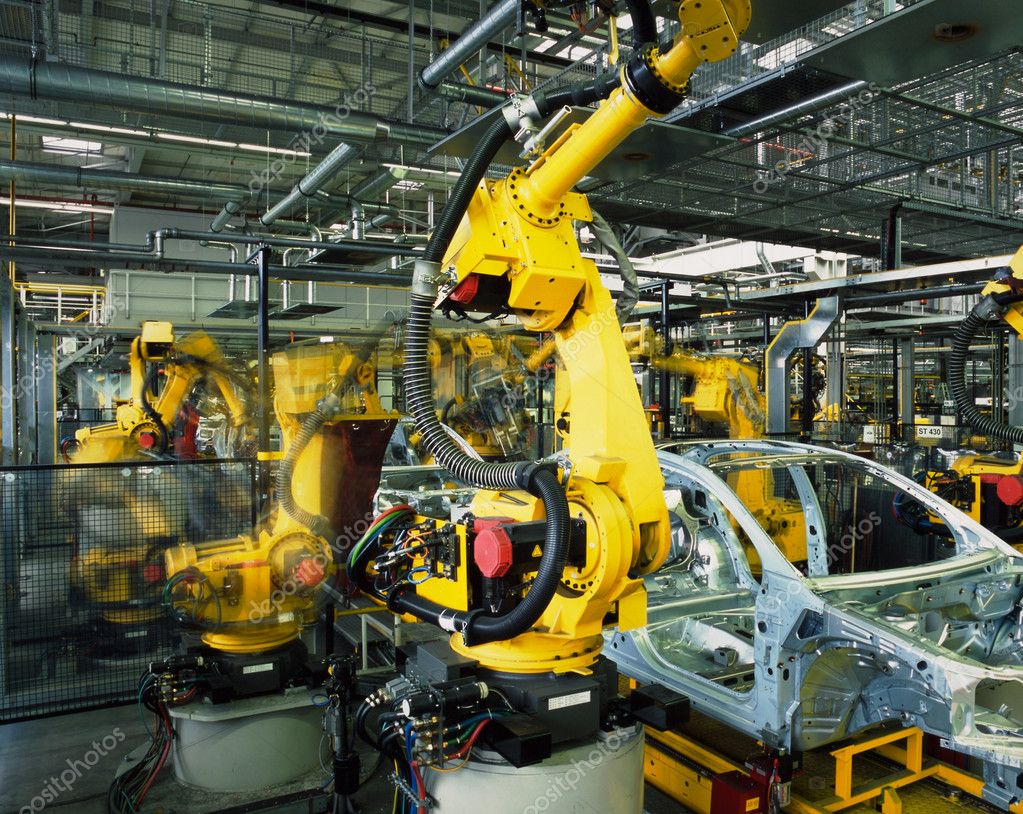
The production line is a carefully choreographed ballet of automation and precision. Component sourcing is critical. LG partners with specialized manufacturers to produce high-quality speakers, amplifiers, and other electronic components that meet their stringent specifications. Each component undergoes rigorous testing to ensure reliability and performance.
Here's a simplified breakdown of the key steps:
1.Component Assembly: The individual components are assembled into larger modules, such as speaker housings and amplifier units. This often involves robotic assembly lines, ensuring consistent quality and precision.
2.Wiring Harness Integration: The wiring harness, which connects all the components of the audio system, is carefully integrated. This is a crucial step, as a poorly designed or improperly installed wiring harness can lead to performance issues or even electrical problems.
3.Quality Control: Throughout the production process, rigorous quality control checks are performed. These checks include visual inspections, electrical testing, and acoustic measurements. Any components that fail to meet the required standards are rejected.
4.Final Assembly and Testing: The completed audio system is then subjected to final testing in a simulated vehicle environment. This ensures that the system meets all performance specifications and that it integrates seamlessly with the vehicle's electrical system.
Once the audio system has passed all quality control checks, it's packaged and shipped to the automaker's assembly plant. Here, the system is installed in the vehicle during the final stages of production. This is where the years of design and planning culminate in the integration of a high-quality sound system that enhances the driving experience.
The Software Edge: How LG Tunes Your Car's Audio
Modern car audio is more than just hardware. It’s also about the software that controls and optimizes the sound. LG employs sophisticated digital signal processing (DSP) algorithms to tailor the audio output to the specific characteristics of the vehicle's interior. This includes features like: Equalization: Adjusting the frequency response to compensate for the vehicle's acoustics. Time Alignment: Delaying the audio signal from certain speakers to ensure that the sound reaches the listener's ears simultaneously. Surround Sound Processing: Creating a more immersive listening experience by simulating surround sound effects. Active Noise Cancellation (ANC): Reducing unwanted road noise and engine noise to improve audio clarity.
These software features are often customized for each vehicle model, ensuring that the audio system delivers the best possible performance in that specific environment. The collaboration between LG and the automaker extends to the software realm, with both teams working together to fine-tune the system's settings and parameters.
The Buyer's Guide: Finding the LG Audio Sweet Spot
So, you're in the market for a car and want to ensure you get a vehicle with a great audio system. How do you navigate the options and find the LG-equipped car that's right for you?
First, research which automakers partner with LG for their audio systems. Many manufacturers offer different audio system options, ranging from basic systems to premium, high-performance setups. Check the vehicle's specifications and features list to determine if it includes an LG audio system.
When possible, test drive vehicles with different audio system options. Listen to a variety of music genres and pay attention to the clarity, depth, and overall sound quality. Consider the features that are important to you, such as surround sound processing, active noise cancellation, and Bluetooth connectivity. Don't hesitate to bring your own music to the test drive. Familiar tracks will allow you to quickly assess the audio system's strengths and weaknesses.
Here's a tip: When test driving, try adjusting the audio settings to see how they impact the sound quality. Experiment with the equalizer, balance, and fader controls to find the settings that suit your preferences.
How does LG customize its car audio systems for different vehicles?
LG utilizes advanced acoustic modeling and simulation techniques to tailor its audio systems to the specific interior dimensions, materials, and acoustic properties of each vehicle model. This includes optimizing speaker placement, designing custom amplifier designs, and implementing sophisticated digital signal processing algorithms.
Are LG car audio systems reliable? What kind of maintenance do they require?
LG car audio systems are generally considered to be reliable, thanks to rigorous testing and quality control measures throughout the production process. Basic maintenance includes keeping speaker grills clean and avoiding excessive volume levels. In the event of a problem, consult a qualified automotive audio technician.
What are some of the key features to look for in an LG car audio system?
Key features to consider include the number and type of speakers, the amplifier's power output, the availability of surround sound processing, active noise cancellation, and Bluetooth connectivity. The quality of the digital signal processing (DSP) algorithms is also crucial for achieving optimal sound quality. Ultimately, the best LG car audio system is the one that meets your specific needs and preferences.
The Road Ahead: The Future of Automotive Audio
The future of automotive audio is bright. LG and other leading audio manufacturers are constantly innovating and developing new technologies to enhance the in-car listening experience. Some of the trends we can expect to see in the coming years include: Advanced Driver-Assistance System (ADAS) Integration: Audio systems will increasingly be integrated with ADAS features, providing audible alerts and warnings to the driver. Personalized Audio Experiences: Advanced signal processing and artificial intelligence will allow for personalized audio experiences, tailoring the sound to the individual driver's preferences and listening habits. Spatial Audio: Immersive spatial audio technologies will create a more realistic and engaging listening experience, placing sound elements in a three-dimensional soundscape. High-Resolution Audio: Support for high-resolution audio formats will become more prevalent, allowing for a more detailed and nuanced listening experience.
The evolution of car audio shows no signs of slowing down. As technology advances, we can expect to see even more sophisticated and immersive audio systems in our cars, enhancing the driving experience and making every journey a sonic adventure. Just remember, quality sound on the open road comes from precision design and careful crafting; and as LG's production lines prove, the journey to audiophile-grade quality is a fascinating blend of science and art.
Posting Komentar untuk "production line car audio lg: How It’s Made"