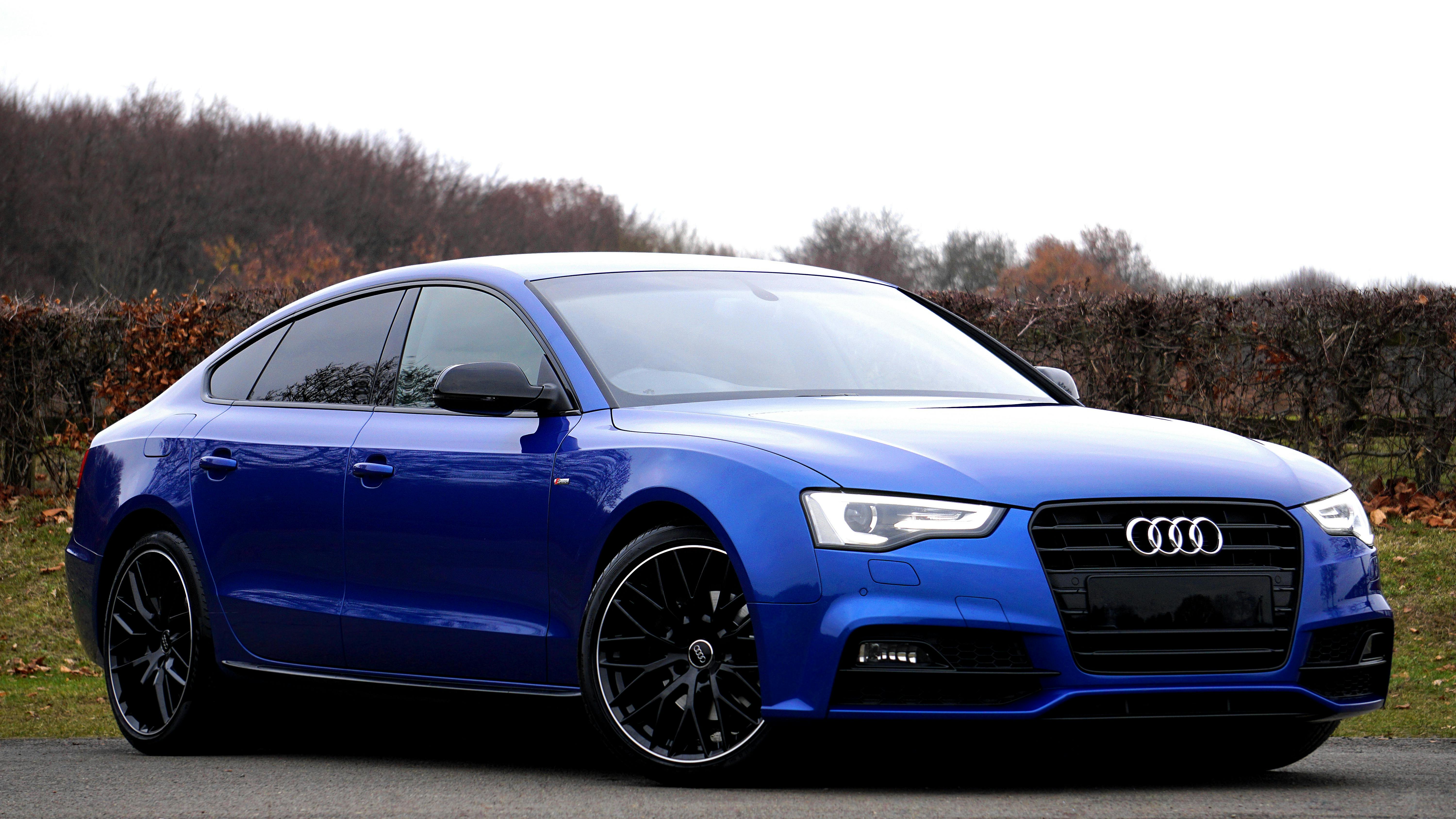
The open road stretches before you, the sun glinting off the hood of your car, a symphony of mechanical precision humming beneath. But what's that sound? Not the growl of the engine, but a distorted, lifeless echo coming from your speakers. A high-performance machine deserves a high-performance soundtrack, and that starts with the often-overlooked hero: the RCA cable.
Think of the humble RCA cable as the nervous system of your car audio setup. It's the vital link carrying the delicate audio signal from your head unit (the brain) to your amplifier (the muscle). Skimping on this crucial component is like putting cheap tires on a finely tuned sports car – you're bottlenecking the entire system's potential. In the pursuit of sonic perfection on the road, choosing the right RCA cables is just as important as selecting the right speakers or amplifier. It's a small investment that can yield a monumental return in audio fidelity.
Before we dive into the specifics, here’s a quick tip for maximizing your car’s sound quality: properly ground your amplifier. A poorly grounded amp is a notorious source of unwanted noise and distortion, regardless of how expensive your RCA cables are. Find a clean, solid metal surface close to the amp and ensure a secure, paint-free connection. It's a simple step that can make a world of difference.
Decoding the World of RCA Cables
Choosing the right RCA cable can feel like navigating a complex maze of specifications and terminology. But don't worry, we're here to demystify the process and help you select the perfect cables to unlock your car's audio potential. Let's look at key features to consider.
Shielding: This is arguably the most critical factor. Shielding protects the delicate audio signal from electromagnetic interference (EMI) and radio frequency interference (RFI). These interferences, generated by your car's electrical system and other external sources, can introduce unwanted noise, hum, and distortion into your audio. Look for cables with double or even triple-layer shielding, often made from braided copper or aluminum foil.
Conductor Material: Copper is the most common conductor material, offering a good balance of conductivity and cost. Oxygen-Free Copper (OFC) is a step up, as it reduces oxidation and provides improved signal transfer. Silver-plated copper offers even better conductivity, resulting in a cleaner and more detailed sound, but at a higher price point.
Connectors: The quality of the RCA connectors is also important. Look for connectors with a tight, secure fit to ensure a solid electrical connection. Gold-plated connectors offer excellent corrosion resistance and improved signal transfer, though their sonic benefits are often debated.
Cable Length: Use the shortest cable length possible to minimize signal loss. Excess cable can act as an antenna, picking up unwanted noise. Measure the distance between your head unit and amplifier accurately and choose the appropriate cable length. It's always better to err on the side of being slightly too long than too short.
Twisted Pair Design: Some RCA cables utilize a twisted pair design, which helps to cancel out noise and interference. This design is particularly beneficial in noisy environments, such as a car interior.
The Impact on Sound Quality: More Than Just Hype?
Do expensive RCA cables really make a difference? The answer is nuanced. While a cheap, poorly shielded cable can definitely degrade sound quality, the point of diminishing returns exists. Simply throwing money at the most expensive cable on the market won't magically transform a mediocre system into a sonic masterpiece.
The key is to match the quality of the RCA cables to the overall quality of your audio system. If you have a high-end head unit, amplifier, and speakers, investing in high-quality RCA cables is essential to realize their full potential. On the other hand, if you have a more modest system, mid-range cables with good shielding will likely provide a noticeable improvement over stock cables without breaking the bank.
Think of it like this: you wouldn’t put standard pump gas in a Formula 1 car. You need fuel that matches the engine's potential. The same principle applies to audio.
Common Questions About RCA Cables
Let’s address some frequent questions car audio enthusiasts have about selecting the right RCA cables.
Are all RCA cables created equal?
Absolutely not. As discussed above, the quality of shielding, conductor material, connectors, and construction varies significantly between different RCA cables. Cheap cables often use inferior materials and lack proper shielding, resulting in poor sound quality. Investing in decent quality cables is crucial for getting the best performance from your car audio system.
Does cable length affect sound quality?
Yes, it can. Longer cables are more susceptible to signal loss and interference. Always use the shortest cable length possible to minimize these effects. If you need to run a long cable, choose one with thicker gauge conductors and superior shielding. Also, avoid coiling excess cable, as this can create an antenna effect.
How do I troubleshoot noise issues in my car audio system?
Noise issues can be frustrating, but there are several steps you can take to diagnose and resolve them.
Check your ground connections: As mentioned earlier, a poor ground connection is a common source of noise. Ensure that your amplifier and head unit are properly grounded to clean, solid metal surfaces. Inspect your RCA cables: Make sure that the RCA cables are securely connected and are not damaged. If possible, try swapping them out with known good cables to see if the noise disappears. Route your cables carefully: Keep RCA cables away from power wires and other sources of interference. If possible, run them on opposite sides of the car. Use a ground loop isolator: If you suspect a ground loop is causing the noise, you can try using a ground loop isolator. This device breaks the ground connection between the head unit and amplifier, preventing circulating ground currents from causing noise.
Installation Tips for Optimal Performance
Proper installation is just as important as choosing the right RCA cables. Here are a few tips to ensure optimal performance: Disconnect the battery: Before working on any electrical components in your car, disconnect the negative terminal of the battery to prevent accidental shorts. Route the cables carefully: Plan the routing of your RCA cables carefully to avoid sharp bends, kinks, and contact with sharp edges. Use cable ties or clamps to secure the cables in place. Avoid running RCA cables near power wires: As mentioned earlier, power wires can induce noise into RCA cables. Run them on opposite sides of the car whenever possible. Protect the cables from damage: Protect the RCA cables from heat, moisture, and physical damage. Use cable sleeving or conduit to protect them in exposed areas. Test your system:After installing the RCA cables, test your audio system to ensure that everything is working properly. Listen for any noise, distortion, or other issues.
Beyond the Cables: Completing the Soundscape
While high-quality RCA cables are essential, they are just one piece of the puzzle when it comes to achieving optimal sound quality in your car. Consider these other factors: Head Unit: The head unit is the source of the audio signal. Invest in a quality head unit with a clean, low-distortion output. Amplifier: The amplifier provides the power to drive your speakers. Choose an amplifier that is matched to the power handling capabilities of your speakers. Speakers: The speakers are responsible for converting the electrical signal into sound. Choose speakers that are appropriate for your listening preferences and the acoustics of your car. Sound Deadening: Adding sound deadening material to your car can significantly reduce road noise and improve the clarity of your audio system. Professional Installation:If you're not comfortable working on your car's electrical system, consider having your audio system installed by a professional.
Ultimately, choosing the right RCA cables is a critical step in achieving the best possible sound quality in your car. By understanding the key factors involved and following the tips outlined in this guide, you can select the perfect cables to unlock your system's full potential and transform your driving experience. Don't underestimate the importance of this seemingly small component. It's the unsung hero that brings your music to life on the open road.
Posting Komentar untuk "car audio cables rca: How to Choose for Best Sound Quality"