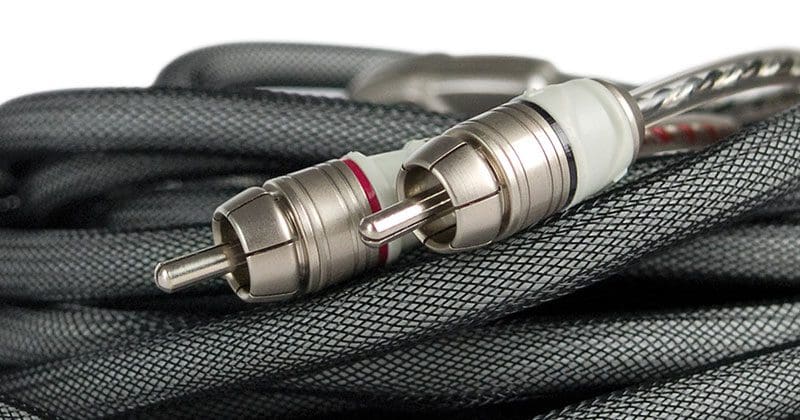
The roar of the engine, the wind whipping past as you carve through a canyon road – these are the visceral sensations that define the driving experience. But let's be honest, sometimes you want to complement that symphony of mechanical perfection with your own curated soundtrack. And that's where a quality car audio system, and crucially, the right RCA cables, come into play. They are the unsung heroes silently channeling the music that fuels your journey.
The pursuit of pristine audio within the often-electrically-noisy environment of a car is a challenge, but one well worth tackling. Whether you're cruising in a vintage muscle car or a modern marvel of engineering, the principles of clean signal transfer remain the same. The RCA cables you choose are a critical link in that chain, impacting everything from clarity and bass response to the overall fullness of your sound.
Before you even think about upgrading your speakers or amplifier, ensure your foundation is solid. Investing in quality RCA cables is akin to using premium fuel in a high-performance engine – it allows everything else to function at its peak potential. You wouldn't skimp on oil changes; don't neglect the often-overlooked cables that bring your music to life.
RCA Cables: The Unsung Heroes of Car Audio
RCA cables might seem like a simple component, but they play a vital role in transmitting the audio signal from your head unit to your amplifier(s). Think of them as the veins and arteries of your audio system, carrying the lifeblood of your music. The quality of these cables directly affects the clarity, accuracy, and overall fidelity of your sound. Cheap, poorly shielded cables can introduce noise, distortion, and a loss of signal strength, ultimately diminishing your listening experience.
Choosing the right RCA cables is about more than just grabbing the cheapest option at your local electronics store. It's about understanding the factors that contribute to signal integrity, such as shielding, conductor material, and connector quality. A properly selected cable can significantly reduce unwanted interference, ensuring a clean and powerful audio signal reaches your amplifier, allowing it to perform at its best.
Consider this: even the most expensive and powerful amplifier will be bottlenecked by subpar RCA cables. It’s like trying to fill a swimming pool with a garden hose – you’ll eventually get there, but it’ll take far longer and be far less efficient. Don’t let your entire system be held back by this crucial, often overlooked component.
Understanding RCA Cable Features and Specifications
Navigating the world of RCA cables can feel overwhelming. Here's a breakdown of key features to consider: Shielding: This is arguably the most important factor. Shielding protects the audio signal from external interference, such as engine noise, alternator whine, and other electrical disturbances present in a car. Look for cables with multiple layers of shielding, such as foil and braided copper. The higher the coverage percentage, the better the shielding. Conductor Material: Copper is the most common conductor material, and for good reason. It offers excellent conductivity and is relatively affordable. Oxygen-Free Copper (OFC) is a step up, as it minimizes oxidation and corrosion, leading to a longer lifespan and better signal transfer. Silver is an even better conductor, but it's also significantly more expensive. Connector Quality: The connectors at the end of the cable are just as important as the cable itself. Look for connectors made from high-quality materials, such as gold-plated brass. Gold plating resists corrosion and provides a reliable connection. The connectors should also fit snugly and securely into the RCA jacks. Cable Length: Choose the appropriate cable length for your setup. Excess cable length can introduce noise and signal loss. Measure the distance between your head unit and amplifier(s) carefully, and add a little extra slack for flexibility. Avoid coiling excess cable, as this can create a potential source of interference. Twisted Pair Design:This design helps to cancel out noise by twisting the positive and negative conductors together. It's particularly effective at reducing common-mode noise.
Choosing the Right RCA Cables for Your Car Audio System
The "best" RCA cable is subjective and depends on your specific needs and budget. However, here's a general guide to help you make the right choice: Entry-Level Systems: If you're on a tight budget, look for RCA cables with decent shielding and copper conductors. Avoid the absolute cheapest options, as they often lack adequate shielding and can introduce significant noise. A cable in the $10-$20 range should suffice. Mid-Range Systems: For a mid-range system, opt for RCA cables with multiple layers of shielding, OFC conductors, and high-quality connectors. These cables will provide a noticeable improvement in sound quality compared to entry-level options. Expect to spend around $20-$50 per cable. High-End Systems:If you're serious about audio quality and have invested in a high-end system, don't skimp on RCA cables. Look for cables with advanced shielding, silver or high-purity OFC conductors, and premium connectors. These cables will deliver the best possible signal transfer and minimize noise and distortion. Expect to spend $50 or more per cable.
Remember to consider the specific needs of your system. For example, if you're running a subwoofer amplifier, you'll want to choose RCA cables that are designed for low-frequency signals. These cables typically have thicker conductors and more robust shielding.
FAQ: RCA Cables and Car Audio – Common Questions Answered
Will expensive RCA cables really make a difference?
The answer is, it depends. If you have a budget system with a low-powered head unit and basic speakers, the difference might be subtle. However, if you have a high-end system with powerful amplifiers and premium speakers, high-quality RCA cables can absolutely make a noticeable improvement in sound quality. They help to reduce noise, improve clarity, and enhance the overall listening experience. Think of it as polishing a finely cut gem – you bring out its true brilliance.
How can I identify and eliminate noise in my car audio system?
Noise in a car audio system can be frustrating, but it's often caused by ground loops or interference. Here are some troubleshooting tips: Check your ground connections: Ensure that all your components are properly grounded to a single point on the chassis. A poor ground connection can introduce noise into the system. Route your RCA cables away from power wires: Power wires can generate electromagnetic interference that can affect the audio signal. Try to route your RCA cables as far away from power wires as possible. Use shielded RCA cables: As mentioned earlier, shielding is crucial for protecting the audio signal from interference. Install a ground loop isolator: If you suspect a ground loop is the cause of the noise, you can install a ground loop isolator on the RCA cables. This device breaks the ground loop and eliminates the noise. Inspect the RCA connectors and jacks:Sometimes, a loose or corroded connector can cause noise. Clean the connectors with a contact cleaner and ensure they are properly seated in the jacks.
What are balanced RCA cables, and are they worth it?
Balanced RCA cables, also known as differential RCA cables, are designed to further reduce noise and interference. They use a different wiring configuration than standard unbalanced RCA cables, which helps to cancel out common-mode noise. Balanced connections are commonly found in professional audio equipment, but they're becoming increasingly popular in car audio systems as well.
Whether balanced RCA cables are worth it depends on the specific application. If you're running long RCA cables or have a particularly noisy electrical environment in your car, balanced cables can offer a significant improvement in sound quality. However, they're generally more expensive than unbalanced cables and require a head unit and amplifier that support balanced connections. If your system is relatively simple and not prone to noise issues, standard unbalanced RCA cables may suffice.
Installation Tips for Optimal Audio Performance
Proper installation is just as important as choosing the right RCA cables. Here are some tips to ensure optimal audio performance: Route the cables carefully: As mentioned earlier, keep RCA cables away from power wires and other potential sources of interference. Use cable ties to secure the cables: This will prevent them from moving around and potentially getting damaged. Avoid sharp bends in the cables: Sharp bends can damage the conductors and affect signal transfer. Clean the connectors and jacks before connecting them: This will ensure a good connection and prevent corrosion. Test the system after installation:Before you put everything back together, test the system to make sure everything is working properly. Listen for any noise or distortion and make any necessary adjustments.
The key is to take your time and pay attention to detail. A little extra effort during installation can make a big difference in the overall sound quality of your system.
Beyond the Cables: The Pursuit of Audio Perfection
Choosing the right RCA cables is just one piece of the puzzle when it comes to achieving audio perfection in your car. Consider upgrading your speakers, amplifier, and head unit to create a truly immersive listening experience. Sound deadening material can also help to reduce road noise and improve the acoustics of your car's interior.
Remember that the goal is to create a system that sounds good toyou. Experiment with different components and settings until you find a sound that you love. After all, the journey is just as important as the destination.
So, crank up the volume, hit the open road, and enjoy the ride. With the right RCA cables and a well-tuned audio system, every drive can be a concert on wheels. Invest wisely, install carefully, and most importantly, listen passionately. The road awaits, and your music deserves to be heard in all its glory.
Posting Komentar untuk "cables rca audio car: Choosing the Best for Your Setup"