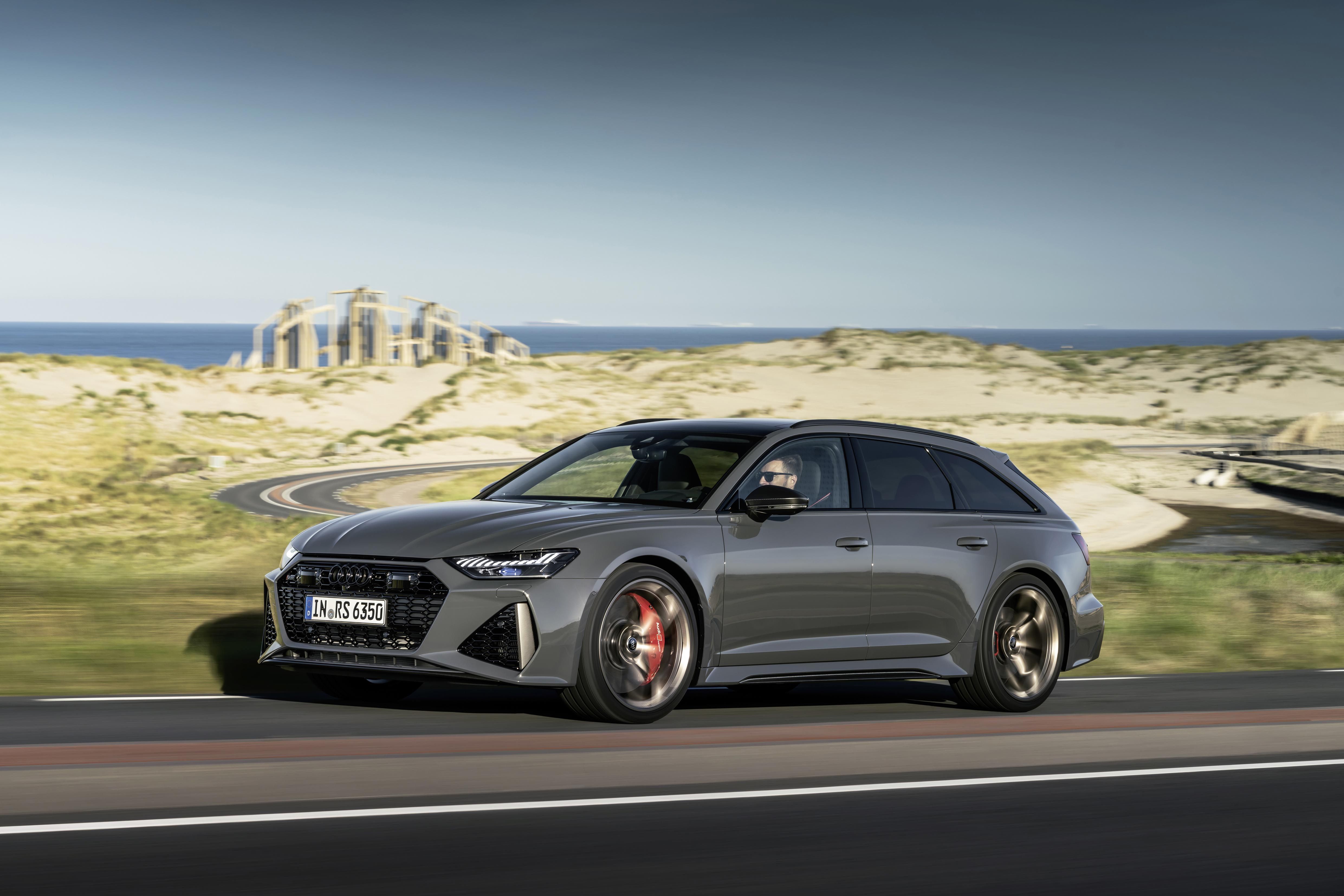
Imagine gliding silently through city streets, then unleashing a surge of instant torque as you merge onto the highway. That's the allure of an Audi hybrid, a blend of sophisticated German engineering and eco-conscious technology. These aren't just fuel-sipping commuters; they're Audis, designed to deliver a premium driving experience with a reduced environmental footprint.
Audi has been steadily expanding its hybrid offerings, recognizing the growing demand for vehicles that combine performance with efficiency. From plug-in hybrids (PHEVs) capable of significant electric-only range to mild hybrids that subtly boost fuel economy, Audi’s approach is about integrating electrification seamlessly into its existing lineup, without sacrificing the driving dynamics its customers expect. This means you’re still getting the Quattro all-wheel drive, the meticulously crafted interiors, and the responsive handling that defines the brand.
A crucial tip for any prospective Audi hybrid buyer? Understand your driving habits. If you primarily commute short distances and have easy access to charging, a PHEV like the Q5 e or A7 e might be the perfect fit. However, if you frequently embark on longer journeys, a mild hybrid system, such as those found in some A6 or A8 models, could be a better choice, offering improved fuel efficiency without the need to plug in.
Audi Hybrid Lineup: Models and Key Specs
Audi’s commitment to electrification is evident in its diverse range of hybrid models, each tailored to different needs and preferences. Let's delve into some of the key players, examining their specifications and unique selling points.
Audi Q5 e: Perhaps the most recognizable hybrid in the Audi family, the Q5 e is a plug-in hybrid SUV that combines practicality with efficiency. Its powertrain typically consists of a 2.0-liter turbocharged four-cylinder engine paired with an electric motor, delivering a combined output of around 362 horsepower. The electric-only range usually falls in the 20-25 mile range, making it ideal for daily commutes. Expect Quattro all-wheel drive as standard, providing confident handling in all weather conditions.
Key Specs (Q5 e):
Engine: 2.0-liter Turbo 4-cylinder + Electric Motor
Combined Horsepower: 362 hp (approximate)
Electric Range: 20-25 miles (EPA estimated)
Drivetrain: Quattro All-Wheel Drive
Audi A7 e: The A7 e plug-in hybrid offers a compelling blend of style, performance, and efficiency. Sharing a similar powertrain to the Q5 e, the A7 e delivers a sophisticated driving experience with its sleek coupe-like design. Its longer wheelbase and refined suspension contribute to a smoother ride, making it a comfortable choice for long journeys. The A7 e’s electric range is comparable to the Q5 e, allowing for emissions-free driving in urban environments.
Key Specs (A7 e):
Engine: 2.0-liter Turbo 4-cylinder + Electric Motor
Combined Horsepower: 362 hp (approximate)
Electric Range: 20-25 miles (EPA estimated)
Drivetrain: Quattro All-Wheel Drive
Audi A8 (Mild Hybrid): While not a plug-in hybrid, the A8 incorporates a 48-volt mild-hybrid system designed to improve fuel economy and enhance the start-stop function. The system uses a belt alternator starter (BAS) to allow for smoother and quicker engine restarts, reducing fuel consumption during stop-and-go traffic. The A8 remains a flagship luxury sedan, offering unparalleled comfort and technology.
Key Specs (A8 Mild Hybrid):
Engine: V6 or V8 (depending on model year)
System: 48-Volt Mild Hybrid
Benefit: Enhanced Start-Stop, Improved Fuel Economy
Drivetrain: Quattro All-Wheel Drive
Audi A6 (Mild Hybrid): Similar to the A8, the A6 utilizes a 48-volt mild-hybrid system to boost efficiency. This system allows the car to coast for extended periods with the engine off, further reducing fuel consumption. The A6 offers a compelling combination of performance, technology, and practicality, making it a popular choice for both families and business professionals.
Key Specs (A6 Mild Hybrid):
Engine: 2.0-liter Turbo 4-cylinder or V6
System: 48-Volt Mild Hybrid
Benefit: Enhanced Start-Stop, Coasting Function, Improved Fuel Economy
Drivetrain: Quattro All-Wheel Drive
Understanding Audi Hybrid Technology
Audi’s hybrid systems, whether plug-in or mild, represent a sophisticated approach to electrification. Understanding the nuances of each technology can help you make an informed decision when choosing the right Audi hybrid for your needs. The plug-in hybrids offer a significant electric-only range, allowing for zero-emission driving for shorter trips. This is particularly beneficial for those who live in urban areas with strict emissions regulations.
Mild-hybrid systems, on the other hand, focus on improving overall fuel efficiency without the need for plugging in. These systems use a small electric motor to assist the engine during acceleration and to enable features like coasting and enhanced start-stop. While the fuel savings may not be as dramatic as with a plug-in hybrid, they can still add up over time, especially for drivers who frequently encounter stop-and-go traffic.
A key aspect of Audi's hybrid technology is its integration with the Quattro all-wheel drive system. This ensures that drivers experience confident handling and traction in all weather conditions, regardless of whether they are driving on electric power or with the gasoline engine.
What are the typical charging times for an Audi plug-in hybrid?
Charging times vary depending on the charging source. Using a standard 120V household outlet can take upwards of 8-10 hours for a full charge. A 240V Level 2 charger, commonly found at public charging stations or installed at home, can reduce charging time to around 2-4 hours. DC fast charging is not typically supported on Audi's plug-in hybrid models. Always refer to the vehicle's owner's manual for specific charging recommendations.
How does the regenerative braking system work in an Audi hybrid?
Regenerative braking is a key component of Audi's hybrid systems. When you apply the brakes or coast, the electric motor acts as a generator, converting kinetic energy back into electricity and storing it in the battery. This not only helps to recharge the battery but also reduces wear and tear on the conventional brake pads. The system is designed to seamlessly blend regenerative braking with friction braking, providing a smooth and natural braking feel.
What is the long-term reliability of Audi hybrid batteries?
Audi hybrid batteries are designed for long-term durability and are typically covered by a warranty of 8 years or 100,000 miles (check specific warranty terms for your model and location). Like any battery, performance can degrade over time, but Audi utilizes advanced battery management systems to optimize battery life and performance. Factors such as driving habits, charging frequency, and climate can also affect battery longevity. Regular maintenance and adherence to Audi's recommended service schedule can help to ensure optimal battery health.
Audi Hybrid Buying Guide: Factors to Consider
Choosing the right Audi hybrid requires careful consideration of your individual needs and priorities. Here’s a breakdown of key factors to keep in mind during your search: Driving Habits: Assess your daily commute and typical driving distances. If you primarily drive short distances and have access to charging, a plug-in hybrid like the Q5 e or A7 e may be the ideal choice. For longer journeys, a mild hybrid system in the A6 or A8 could be more suitable. Charging Infrastructure: Evaluate the availability of charging stations in your area. If you live in an apartment or have limited access to charging at home, a mild hybrid may be a more practical option. Budget: Hybrid vehicles typically have a higher initial purchase price compared to their gasoline-powered counterparts. However, consider the potential long-term savings on fuel costs and potential tax incentives or rebates. Performance Expectations: While hybrid systems enhance fuel efficiency, they can also deliver impressive performance. Consider your driving style and prioritize the models that offer the right balance of efficiency and power. Read an Audi performance review to get a better sense of how each model handles. Features and Technology: Audi hybrids are equipped with a range of advanced features and technologies. Prioritize the features that are most important to you, such as infotainment systems, driver-assistance features, and interior comfort options. Audi Reliability Tips: Research the reliability of the specific model you are considering. Consult owner reviews, reliability ratings, and independent automotive publications to gain insights into potential issues and maintenance requirements. Consider Certified Pre-Owned (CPO):Explore Audi's Certified Pre-Owned program, which offers a range of benefits, including extended warranties and thorough inspections. This can provide added peace of mind when purchasing a used hybrid vehicle.
Before making a final decision, test drive multiple models to get a feel for their handling, performance, and overall driving experience. Talk to Audi owners and mechanics to get firsthand perspectives on the pros and cons of each model.
Maintaining Your Audi Hybrid
Owning an Audi hybrid is a rewarding experience, but it's essential to follow a proper maintenance schedule to ensure its longevity and optimal performance. Here are some key maintenance tips to keep in mind: Follow the Recommended Service Schedule: Adhere to Audi's recommended service schedule for your specific model. This includes regular oil changes, filter replacements, fluid checks, and inspections of the hybrid system components. Battery Maintenance: While Audi hybrid batteries are designed for long-term durability, proper maintenance can help to extend their lifespan. Avoid fully discharging the battery regularly and follow Audi's recommendations for charging and storage. Tire Care: Maintain proper tire pressure and alignment to ensure optimal fuel efficiency and handling. Rotate your tires regularly to promote even wear. Brake Maintenance: The regenerative braking system in Audi hybrids can reduce wear and tear on the conventional brake pads. However, it's still important to have your brakes inspected regularly to ensure they are functioning properly. Software Updates: Keep your vehicle's software up-to-date to ensure optimal performance and compatibility with the hybrid system. Audi typically provides over-the-air software updates or through authorized service centers. Hybrid System Inspection: During regular service visits, ensure that your Audi technician performs a thorough inspection of the hybrid system components, including the electric motor, battery, and associated wiring.
By following these maintenance tips and entrusting your vehicle to qualified Audi technicians, you can ensure that your Audi hybrid continues to deliver a reliable and enjoyable driving experience for years to come.
The legacy of Audi is built on innovation, and their hybrid models continue to push the boundaries of automotive technology. With a commitment to performance, efficiency, and sustainability, Audi is paving the way for a future where driving pleasure and environmental responsibility go hand in hand. Owning an Audi hybrid isn’t just about driving a car; it’s about embracing a vision of what’s possible. The future of driving is here, and it’s electric.
Posting Komentar untuk "audi hybrid cars: Models, Specs & Buying Guide"